 James Oconner
 Anil Krishna
 Jonathan Millar
House of the Dragon Season 3: The New Episode Omitted a Very Important Part of the Books
© HBO
The third season of House of the Dragon continues to raise the stakes, finally delving into the heart of the Dance of the Dragons, the bloody conflict that will forever change the fate of the Targaryen dynasty. However, the second episode has left many readers of Fire and Blood perplexed, as one of the most significant events of the novel was indeed adapted… but completely off-screen.
The Battle of Fishfeed is only recounted
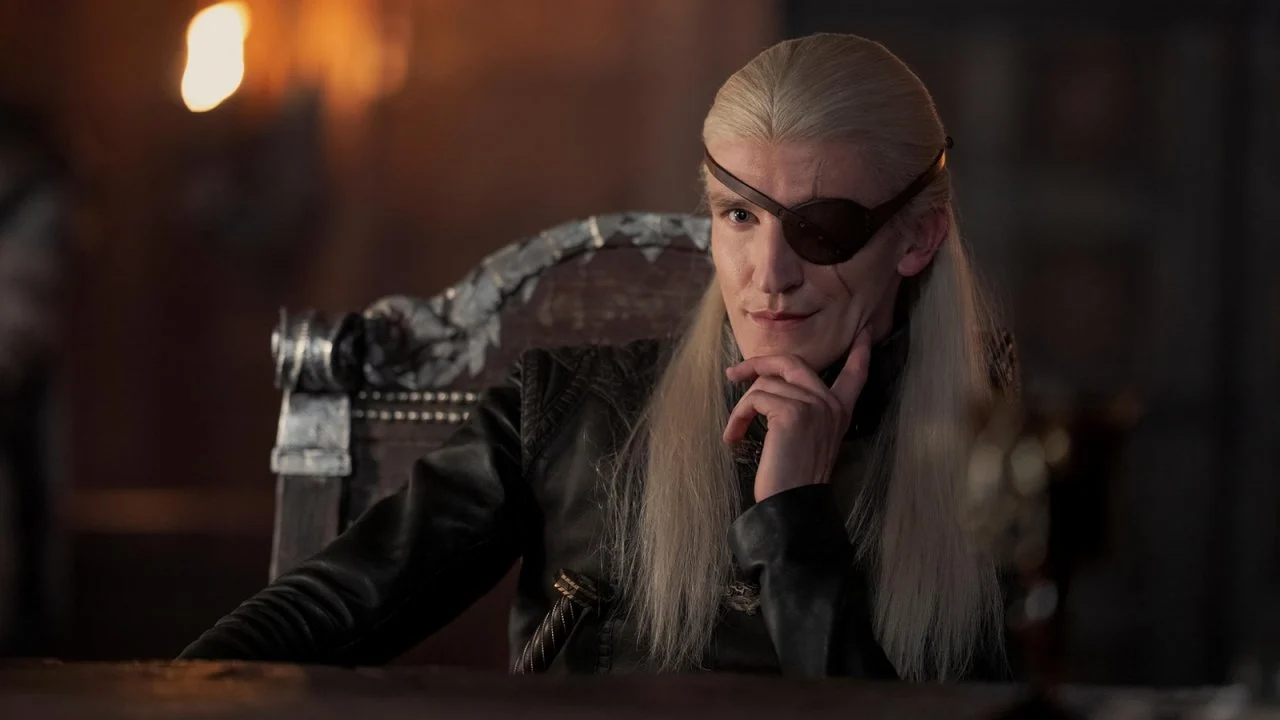
The episode continues the aftermath of the devastating Battle of the Gullet, a clash that, while giving an advantage to the Blacks led by Rhaenyra Targaryen (Emma D’Arcy), leaves both factions deeply weakened. Meanwhile, Aemond Targaryen (Ewan Mitchell) manages to conquer Harrenhal, although his victory is soon overshadowed by the ambush orchestrated by Alys Rivers (Gayle Rankin), which leaves him severely injured and with a fate still to be revealed.
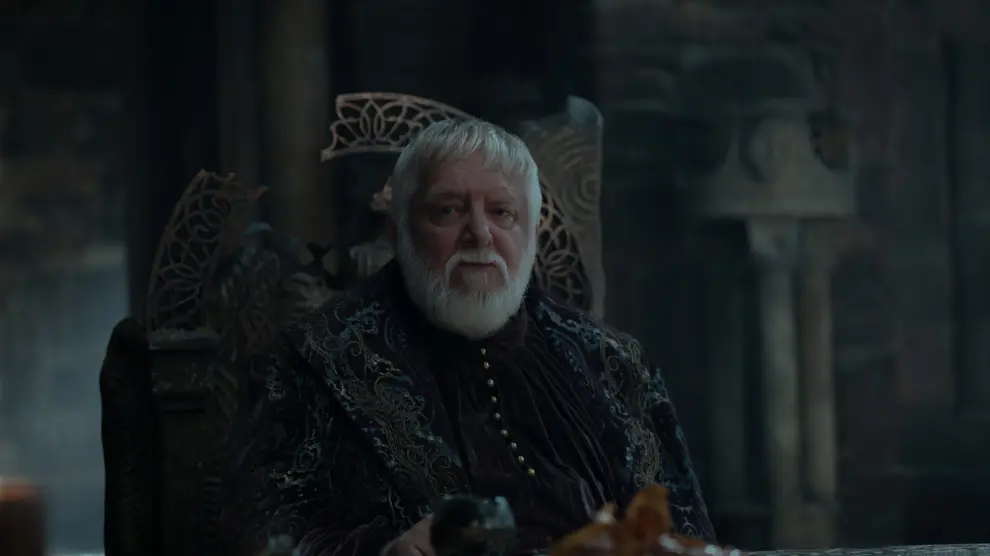
Even Rhaenyra’s triumph in King’s Landing has a bitter taste. As queen, she manages to seize the capital only after ordering the execution of Otto Hightower (Rhys Ifans), finally ascending the Iron Throne with blood still fresh on her hands. At the same time, Daemon Targaryen (Matt Smith) also celebrates a military victory, and at the beginning of the second episode, we find him with his allies celebrating the success achieved thanks to the decisive intervention of the Winter Wolves led by Roddy the Ruin (Tommy Flanagan), who arrived from the North with the support of the Starks.
For those who have read Fire and Blood, however, that brief reference hides something much more important. The series does confirm that the famous Battle of Fishfeed, also known as the Battle of the Lakeshore, did indeed take place. The problem is that the viewers don’t see a single frame of it; in fact, everything is summarized through dialogue and a song sung by the winners.
A choice that highlights the limits of the television adaptation
This decision once again highlights the difficulties of transforming Fire and Blood into a television series. In the novel, George R.R. Martin can tell large-scale events without having to deal with budget constraints, television timing, or narrative pacing. On the small screen, however, showrunner Ryan Condal is forced to select which battles to show and which to sacrifice.
After packing two major action sequences into the opening episodes of the season—which, according to the initial plans, should have closed the second season—the creative team probably preferred to avoid a third battle of enormous magnitude in the early stages of the story. While understandable from both a production and narrative standpoint, this decision inevitably deprives the viewers of one of the most spectacular clashes described by Martin.
In the original material, in fact, the Battle of Fishfeed represents a decisive turning point in the civil war between the Greens and the Blacks. The Lannister army, engaged in crossing the Riverlands to support the green faction, is surrounded by forces loyal to Rhaenyra, including those commanded by Roddy the Ruin. The clash takes place near the Eye of the Gods, destined to become one of the symbolic places of the war, where the Lannisters fight with the lake behind them until they are completely annihilated. In the television series, however, all of this remains in the background, and those who are not familiar with the novel hardly realize the historical significance of what has just happened.
Fishfeed represents a great missed opportunity
For a story that constantly recounts the human cost of war, the choice not to show what the book calls the bloodiest ground battle of the entire Dance of Dragons has left a sour taste for many fans.
In Fire and Blood, Fishfeed is one of the most brutal episodes of the entire conflict and, in terms of strategic importance, can be compared to the Battle of Antietam during the American Civil War. Martin describes an army progressively pushed toward the waters of the Eye of the Gods, where thousands of soldiers end up slaughtered in a lake now stained red with blood. A powerful image, perfectly in line with the great battles that have made the Game of Thrones franchise famous.
Many viewers believe this has been the biggest missed opportunity of the season so far, and if the production had adhered to the original plan, with the Battle of the Gullet intended to close the second season, Fishfeed would have likely opened the new cycle of episodes as the first major spectacular event.
About the Author