

It has only one season, but this crime thriller is one of the most gripping shows of recent years
©
With only one season available, The Last Frontier manages to do what many longer series struggle to achieve: build a tense, compact crime thriller that is capable of leaving a lasting impression. Its strength lies in an effective combination of rhythm, atmosphere, and setting, without unnecessary narrative deviations or subplots used merely to stretch the story.
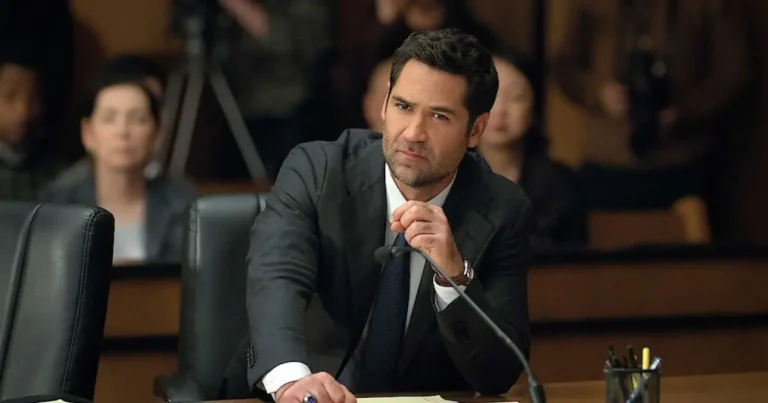
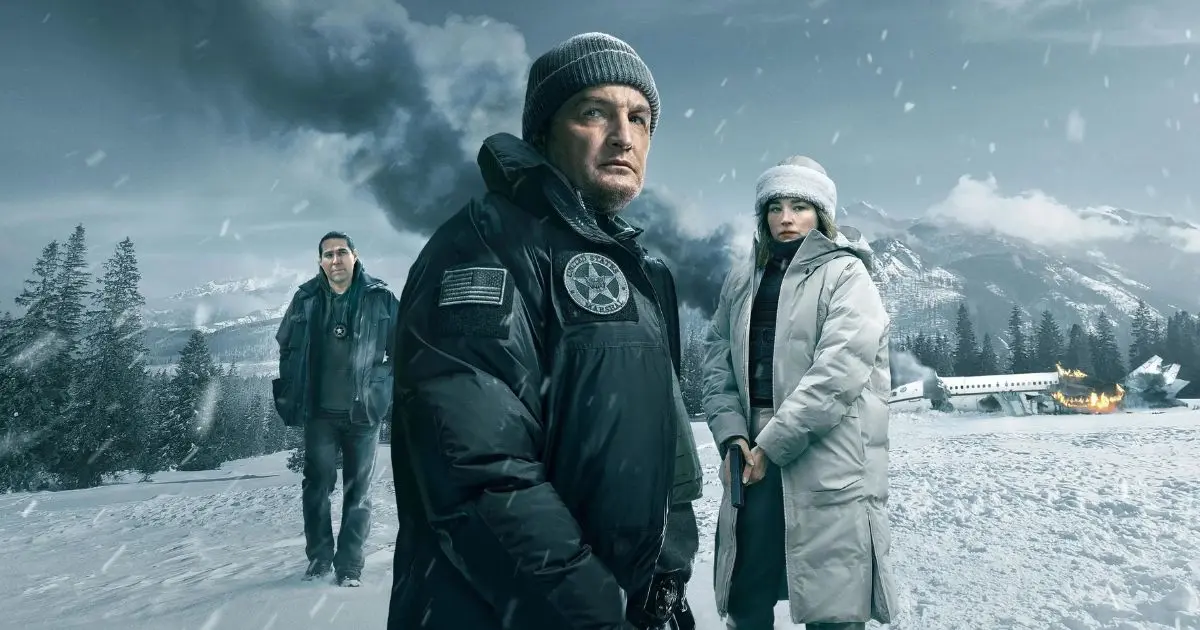
The series takes the viewer to an isolated and inhospitable territory, where the cold and silence seem to make every threat even more tangible. At the center of the story is Frank Remnick, a U.S. Marshal accustomed to operating in an apparently tranquil environment, at least until an unexpected event changes everything: a plane carrying several inmates crashes near the town, releasing a series of prisoners in the surrounding area.
From that moment on, a relentless manhunt takes shape, becoming the starting point of an increasingly dangerous story. The Last Frontier, however, does not limit itself to the structure of the procedural crime. The escape of the prisoners is just the surface of a broader plot, filled with secrets, sensitive information, and power games that go far beyond the boundaries of the local community.
To make everything even more unstable, there is also the involvement of the protagonist’s private life. Frank not only has to face an external threat but also protect his family as the balance around him crumbles. The tension arises precisely from this dual level: on one hand, the urgency of the investigation, on the other, the emotional weight of a man forced to defend what he holds most fragile.
One of the most successful aspects of the series is the pacing. The first episode quickly introduces the context, sets the atmosphere, and ends with a twist that immediately clarifies the scope of the story. From there on, each episode adds a piece without giving the impression of artificially dragging out the plot. There are plot twists, but they never seem gratuitous: they serve to advance the mystery and progressively challenge certainties, alliances, and motivations.
The setting also plays a fundamental role. The snowy, harsh, and wild landscape gives the series a neo-western imprint, transforming nature into an almost hostile presence. It’s not just a picturesque backdrop: the territory influences the actions of the characters, amplifies the sense of isolation, and makes every mistake potentially fatal. Violence, in this context, is not sensationalized, but appears as a direct consequence of a world where survival requires clarity and cold-bloodedness.
Read Also: House of the Dragon: The Targaryen Family Tree Explained in Detail
On the character front, The Last Frontier prefers substance over accumulation. Frank Remnick is a solid, recognizable protagonist, marked by contradictions and limitations that make him credible. Around him, secondary characters move who do not remain mere extras, but contribute to building a network of ambiguous relationships, suspicions, and unresolved tensions. Trust thus becomes one of the central themes of the season, constantly tested by difficult choices and unexpected revelations.
The limited duration, moreover, works in favor of the series. At a time when many productions tend to dilute their best premises over multiple seasons, The Last Frontier chooses a more concise direction: tell a story with a clear beginning, a gripping development, and a conclusion capable of shaping the main journey. It doesn’t require excessive effort, but it still manages to offer an intense and satisfying vision.
It is also for this reason that The Last Frontier works so well: because it concentrates tension, mystery, and atmosphere in an essential narrative, without losing coherence. A single season is enough to make it one of the most gripping crime thrillers of recent years.
About the Author