 James Oconner
 Anil Krishna
 Jonathan Millar


Spider-Man: Brand New Day Could Have Featured Some Very Different Villains
© Sony Pictures
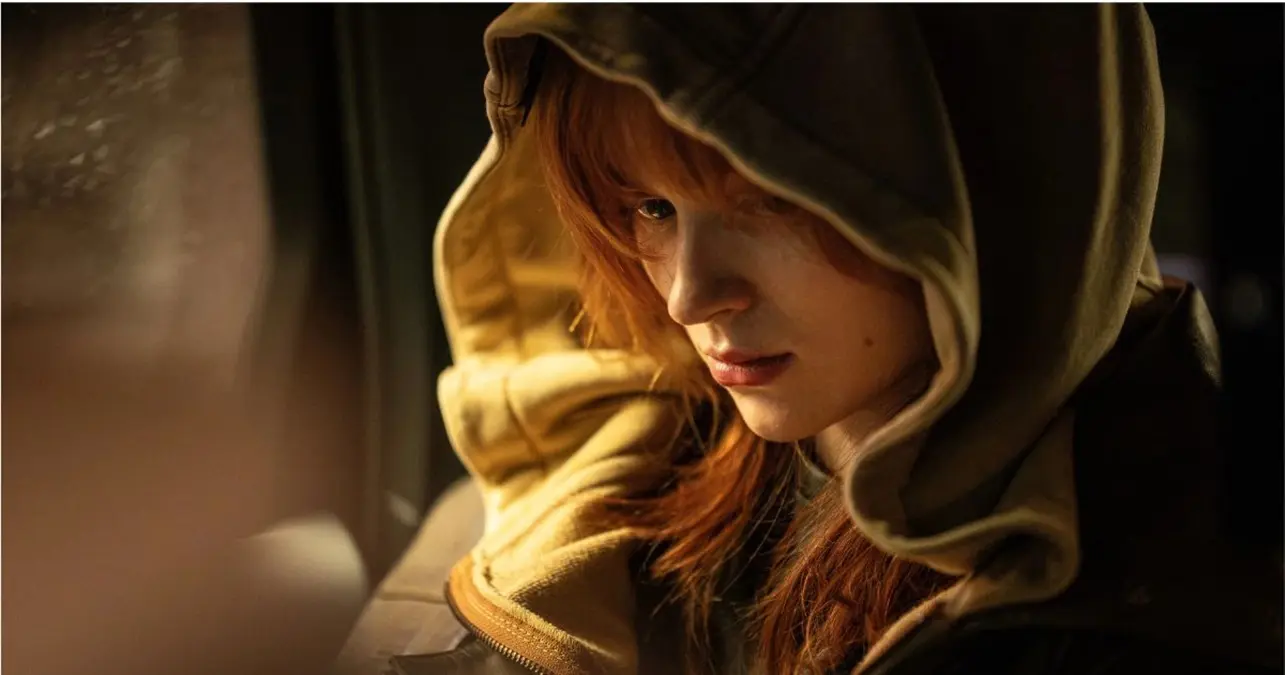
Spider-Man: Brand New Day could have turned out very differently. While speaking on the Bulwark Goes Hollywood podcast, screenwriters Chris McKenna and Erik Sommers revealed that they considered several villains before settling on the direction the film ultimately took. Some of those ideas were surprisingly different from what audiences will see in the finished movie.
The process actually began during the development of Spider-Man: No Way Home. At one point, the writers wanted The Spot to be the main villain, but that plan fell apart after Sony Animation chose the character for Spider-Man: Across the Spider-Verse. As McKenna explained, “We had Spot as the villain in No Way Home,” but the character soon became unavailable because of the animated Spider-Verse movies.
The writers then started looking at Kraven the Hunter, assuming Sony wasn’t planning to make a standalone movie about him. Their idea wasn’t to make Kraven some secret mastermind pulling the strings from behind the scenes. Instead, he would turn New York into one giant hunting ground for Peter Parker. McKenna compared the concept to Home Alone, except Spider-Man would be the one trying to survive a city full of traps set by Kraven. That idea was eventually dropped when Sony moved forward with the live-action Kraven the Hunter movie.
The Writers Considered a Very Different Kind of Villain
When work began on Spider-Man: Brand New Day, McKenna and Sommers ran into similar problems. Their next idea involved Chameleon, another classic Spider-Man villain known for his ability to disguise himself. But they wanted to give him a new twist. Instead of simply changing his appearance, this version of Chameleon could supposedly move his mind from one body to another, making him extremely difficult to track down. There was just one problem: Chameleon was already expected to appear in Kraven. So, rather than abandoning the body-hopping idea entirely, the writers built a new concept around it.
That eventually led them to Shadow King, the X-Men villain also known as Amahl Farouk. The story would have followed Spider-Man as he chased an invisible or incorporeal presence through New York, with the entity jumping between different hosts and interfering with Peter’s Spider-Sense. McKenna said the idea of Spider-Man chasing an “incorporeal voice across New York” felt unusual in a good way. Marvel even allowed them to use the character, although there was one condition: they couldn’t actually call him “Shadow King” in the movie.
An early version of the story involved Farouk trying to find his physical body, which had been hidden somewhere in New York for decades because it was considered too dangerous. It was an interesting concept, but the writers eventually began to worry that a villain without a physical form might not work as well during the film’s big action scenes. The final confrontation could have felt a little empty if Peter was essentially fighting a voice or a presence rather than someone he could physically confront.
Jean Grey Changed the Direction of the Film
The major breakthrough came in September 2024, when Marvel gave the writers permission to use Jean Grey. Her inclusion allowed them to keep some of the ideas they liked about the earlier concepts, including the telepathy and body-switching elements, while giving Spider-Man a more recognisable and physically present opponent.
Even then, the studio placed certain restrictions on how Jean and her X-Men background could be handled. One of the biggest limitations involved the word “mutant,” which is reportedly never spoken in the film. “We were walking a fine line,” McKenna said while discussing the boundaries surrounding the character.
Looking back, Spider-Man: Brand New Day could have gone in several completely different directions. Peter Parker might have been running through a city filled with Kraven’s traps, chasing a mysterious entity connected to Shadow King, or facing a very different version of Chameleon. Each idea would have created its own kind of Spider-Man story, which makes the film’s development process almost as interesting as the finished movie itself.
About the Author