 Anil Krishna
 Jonathan Millar


 James Oconner

Verity Review: Anne Hathaway and Dakota Johnson’s Bestseller Adaptation Misses the Mark
© Amazon MGM Studios
There are some books where the movie adaptation has an uphill battle from the start. Verity is one of those. Colleen Hoover’s novel already has a huge audience, and part of its appeal comes from the way readers fill in the blanks themselves. The characters can feel more interesting in your head than they necessarily are on the page, and the more outrageous parts of the story somehow work because you’re reading them instead of watching them play out in front of you.
The movie, unfortunately, doesn’t get that same benefit. Starring Dakota Johnson and Anne Hathaway, with Hoover herself among the producers, Verity should have been a messy, uncomfortable psychological thriller with plenty of sex, suspicion and questionable decisions. Instead, it spends a lot of time reminding you that the material is much more effective as a pulpy book than it is as a movie. Hathaway also produced the film and took a break from acting after production to welcome her third child, which makes it even more frustrating that she isn’t given enough to do here.
The Mystery at Verity Crawford’s House
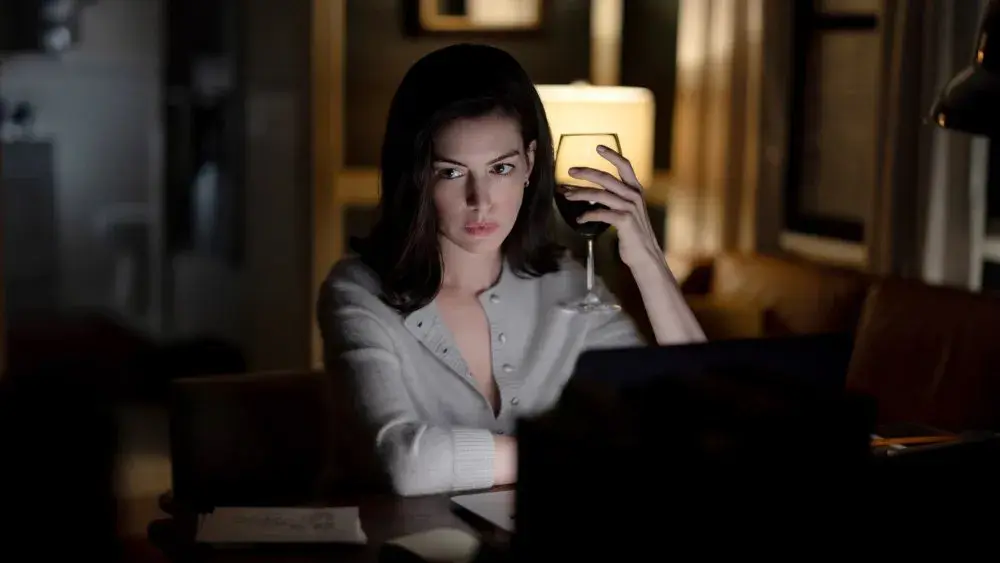
The basic setup is actually pretty good. Lowen Ashleigh is a struggling writer dealing with debt after her mother’s death when she gets an opportunity that could completely change her life. She’s hired to ghostwrite the remaining books in Verity Crawford’s hugely successful series. Verity is famous for writing dark thrillers from the perspective of villains, so Lowen is already stepping into some pretty strange territory before she even meets her. When Lowen arrives at Verity’s isolated Vermont home, she discovers that the author can’t exactly welcome her. Verity has been left in a vegetative state after a serious car accident, leaving her husband, Jeremy, and the rest of the household to deal with the aftermath.
Lowen starts going through Verity’s office and notes as she tries to understand the writer’s work. Then she finds something she definitely wasn’t supposed to find: an unpublished manuscript that appears to be an autobiography. And it’s horrible. The manuscript describes things about Verity that make Lowen question just about everything she thought she knew about the woman, including whether the person lying in that bed is really as helpless as she appears. That’s where Verity should really start getting under your skin. Is the manuscript telling the truth? Is it fiction? Is Verity manipulating everyone around her? The movie has a genuinely useful mystery sitting right there.
The Thriller Doesn’t Know How to Handle Its Own Story
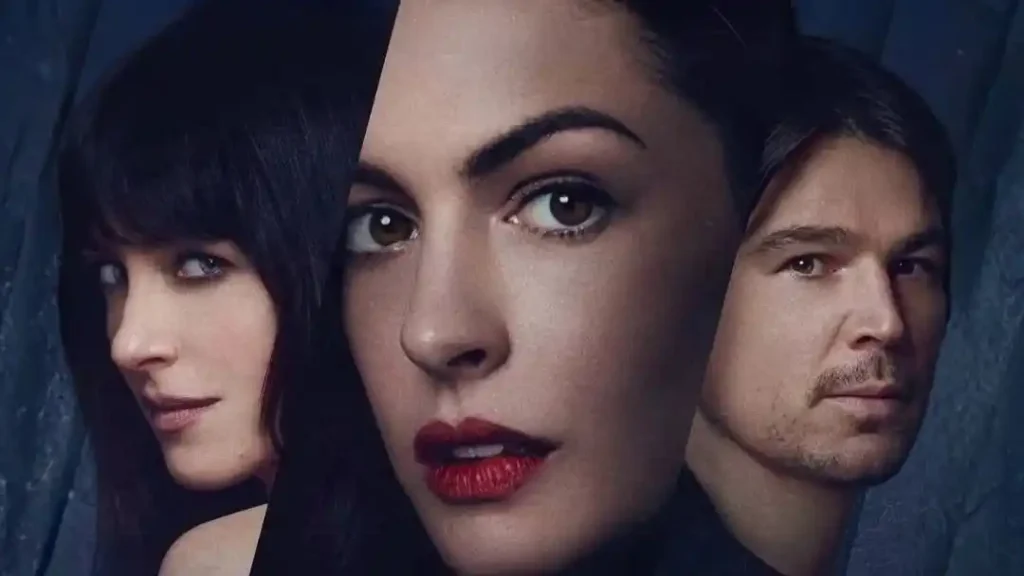
The problem is that the movie never makes the mystery feel convincing enough. A story built around the difference between truth and fiction needs you to constantly question what you’re seeing. Instead, Verity often makes its twists so obvious, or its characters so unbelievable, that the suspense starts disappearing before it has a chance to build. The characters don’t really help. Rather than feeling like complicated people making increasingly questionable choices, several of them come across as exaggerated versions of thriller stereotypes. The dialogue is another problem. Too often, people say exactly what the movie needs them to say rather than what an actual person might say in that situation. Some scenes that are clearly supposed to be tense end up feeling unintentionally funny.
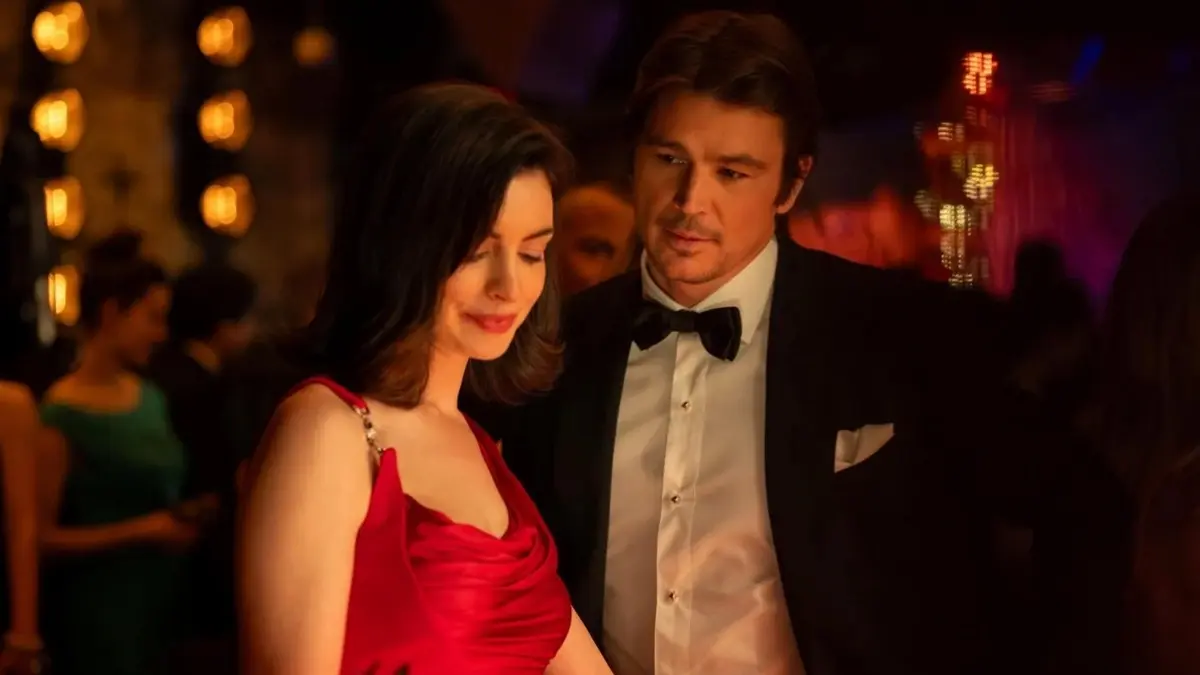
Dakota Johnson doesn’t have much to work with as Lowen, while Josh Hartnett also struggles to make his character feel particularly convincing. Neither performance is terrible on its own, but neither gives the film the spark it badly needs. Anne Hathaway fares better, and there are flashes of the strange, unsettling Verity that could have made the movie much more interesting. The problem is that Hathaway isn’t around nearly enough to make a real difference. And then there’s the erotic side of the story. The book’s sexual material is a big part of its reputation, but the movie doesn’t really know how to translate that either. Instead of feeling dangerous or provocative, some of these scenes are just awkward. A few are so clumsily handled that whatever tension they were supposed to create gets replaced by a strong urge to look away.
The Movie Looks Better Than It Plays
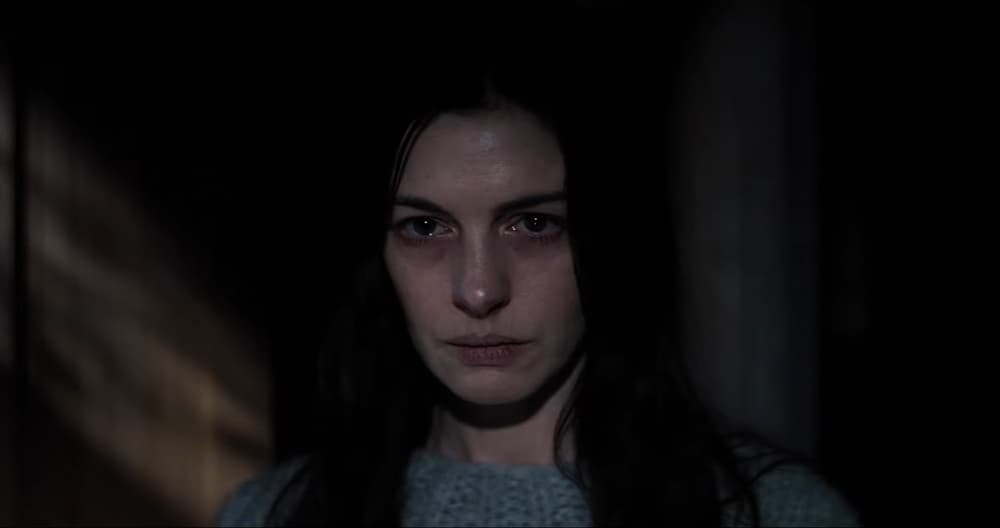
Visually, at least, Verity is trying to be something. Director Michael Showalter gives the movie a grimy ’90s thriller look, while Volker Bertelmann’s score adds a suitably ominous atmosphere. The isolated house, the woods and the generally gloomy surroundings all give the film the right kind of setting for a story like this. It’s probably the best thing about the movie. Unfortunately, the visual style can’t hide the problems underneath it. Some of the framing feels awkward, the visual effects aren’t particularly convincing, and there’s a strange artificial quality hanging over too many scenes. Instead of making the story feel more disturbing, the style sometimes makes everything feel even more staged.
That’s the frustrating thing about Verity. There is a decent thriller buried somewhere inside it. The idea of a struggling writer entering the home of an incapacitated bestselling author and discovering a manuscript that could completely change her understanding of the family is exactly the kind of setup that should work. But the movie keeps making choices that drain the tension out of it. What could have been a nasty, twisty and genuinely uncomfortable thriller ends up feeling oddly empty. It has the glossy look, the famous cast and the bestselling source material, but none of those things can make up for a story that never fully finds its footing.
About the Author