 James Oconner

 Anil Krishna
 Jonathan Millar


My Sad Dead Ending Explained: What Happens to Julie, Ema, and the Haunted City
© Netflix
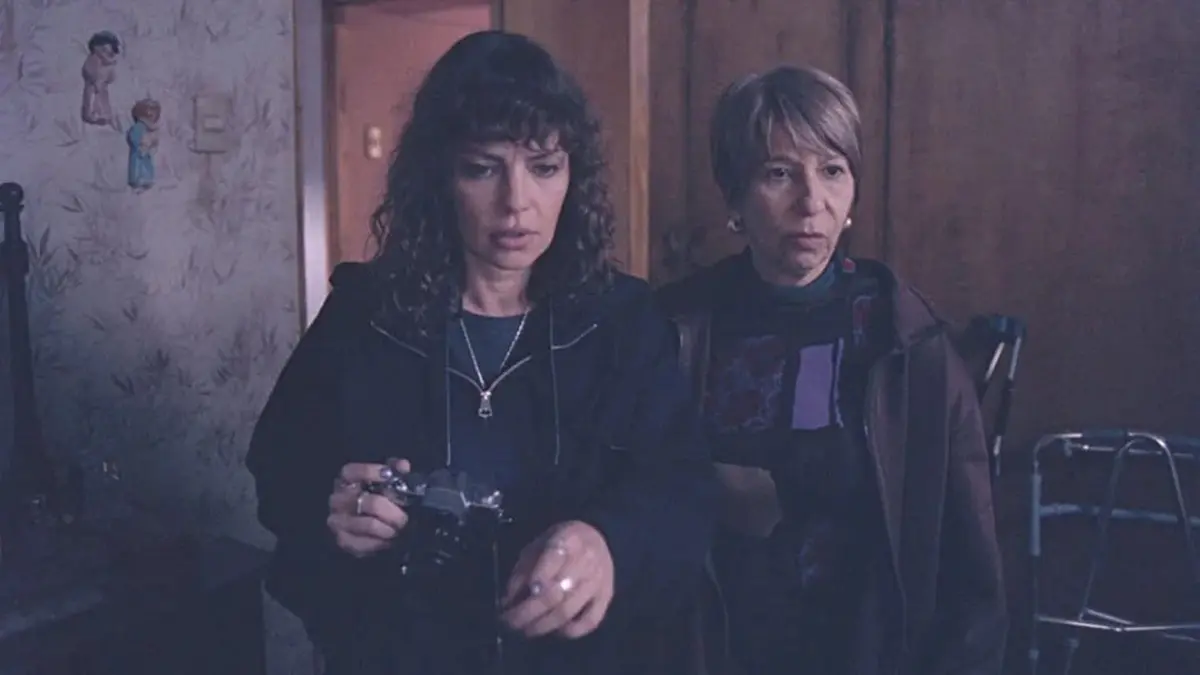
Directed by Pablo Larraín, Netflix’s horror drama My Sad Dead Ending (Mis muertos tristes) takes Mariana Enríquez’s short story and turns it into a bleak, unsettling story about grief, family trauma and all the things people refuse to talk about. At the center of it is Ema Bascary, a retired doctor who has been able to see and speak with the dead since she was a child. She has spent most of her life keeping those spirits at a safe distance, almost as if ignoring them might make the whole thing easier. Then her niece Julie, who has inherited the same ability, is placed in a psychiatric institution by her parents. From there, the fragile line Ema has built between the living and the dead starts falling apart, and eventually the entire town gets dragged into it.
What Happens to Julie?
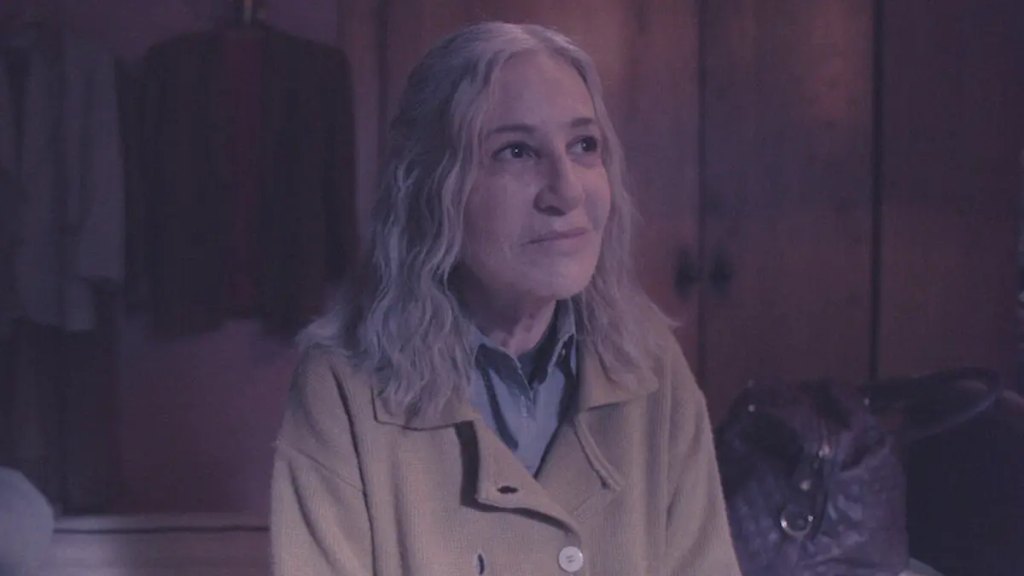
Julie spends much of the story feeling like nobody believes her. Her parents and the doctors around her treat what she sees as a symptom that needs to be controlled, while Ema, despite understanding exactly what Julie is experiencing, still keeps her own distance from the ghosts. Julie reacts very differently. She wants to see them. She wants to talk to them. More than anything, she wants somebody to tell her that she isn’t imagining all of this.
That makes her eventual death even more upsetting. While trying to escape the psychiatric facility, Julie remembers something Ema once told her during a walk: that when she died, she would be able to meet her ghost friends again. Ema meant it as a strange but comforting thing to say. Julie takes it literally. She escapes, climbs the town’s water tower and drowns herself in the reservoir.
Julie does come back as a ghost, but there isn’t an immediate sense of peace waiting for her. She wanders around Ema’s house looking for the spirits she expected to find, and for a moment it seems like even death hasn’t given her what she wanted. That’s when Ema realizes what she has done. Her attempt to comfort Julie may have helped convince her that dying was the only way she could finally belong somewhere.
Eventually, though, Ema hears Julie upstairs and understands that her niece has finally found the spirits she was looking for. There is something almost comforting about that moment, but it doesn’t make Julie’s death any less tragic. She wanted to be believed while she was alive and never got that. In the end, she had to die before anyone was willing to accept that she had been telling the truth.
Why Does Julie’s Body in the Water Tank Matter?
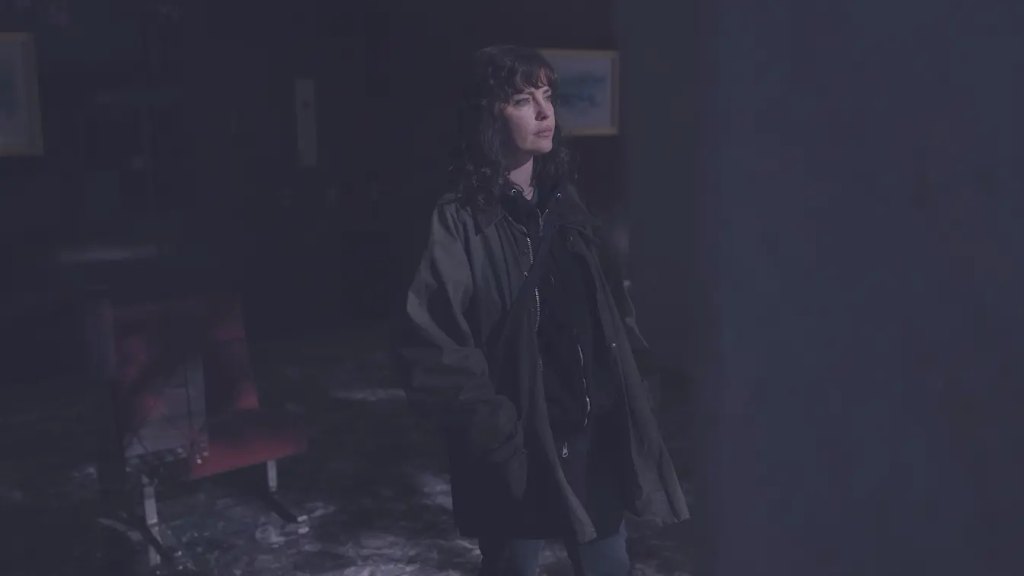
The water-tank sequence is probably the most disturbing part of My Sad Dead, and it is also where Julie’s personal tragedy suddenly becomes everybody else’s problem. Her body decomposes inside the city’s main water supply, and the residents unknowingly drink the contaminated water. Soon, the strange ability that had been limited to Ema and Julie spreads throughout the town. People begin hearing the dead.
It is a pretty horrible way to make the town confront what it has been ignoring. The community is already full of buried violence, unsolved deaths and old grief, but most people have managed to keep living by not looking too closely at any of it. Julie’s death changes that. The dead are suddenly impossible to ignore because their voices are literally getting into everyone’s homes.
There’s also a particularly cruel connection to what happened to Julie while she was alive. Her parents and doctors had forced her to drink water containing psychiatric medication in an attempt to suppress the visions she kept describing. Now the situation is reversed. Julie’s body becomes part of the town’s drinking water, and the same people who wanted to silence her are suddenly forced to experience something close to what she experienced.
It’s a grim little piece of irony. Julie couldn’t get anyone to listen when she was alive, but after her death, nobody in town can escape the voices anymore.
What Happens to Ema, Caro, and Julie’s Parents?
Once the water tank is drained and cleaned, the townspeople gradually stop hearing the dead. But the experience has already changed them, particularly Ema. For most of her life, she treated the spirits around her as something to keep away from, almost like unwanted guests who might take over if she let them stay too long. By the end, she finally stops fighting them.
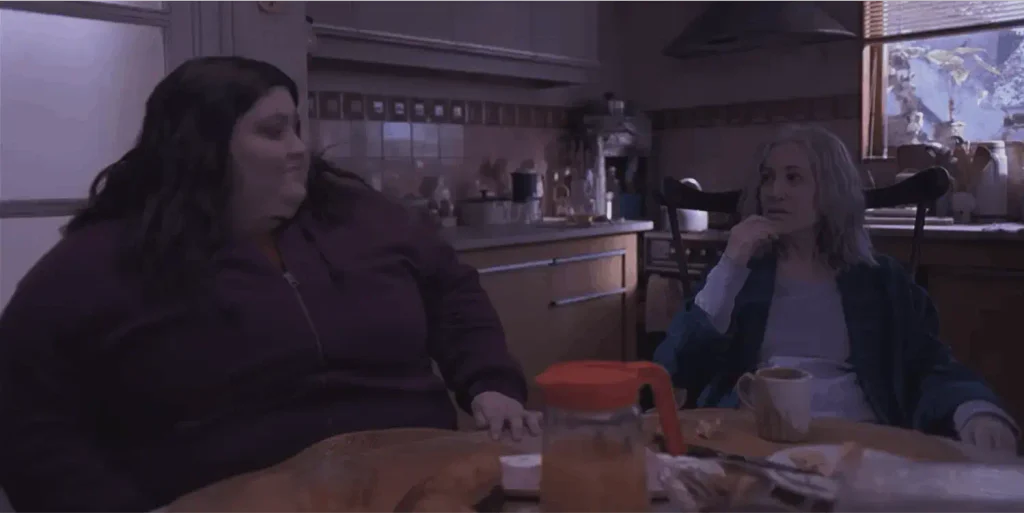
One of the most important scenes has Ema sitting at the kitchen table with the spirits of her mother and Julie. She doesn’t try to chase them away or pretend they aren’t there. She simply lets them be with her. It sounds simple, but for Ema, it’s a huge change after spending decades trying to keep the dead at arm’s length.
Her daughter Caro also gets a glimpse of what Ema has been carrying all these years. During the water contamination, she hears the chorus of spirits herself, giving her a small understanding of the strange burden her mother has lived with since childhood. That experience helps Caro see Ema differently and eventually forgive her for the emotional distance that caused so much pain in their family.
Julie’s parents have a much harder time dealing with what happened. Her father, Tomas, is crushed when he finally understands that Julie wasn’t lying about what she could see. He starts drinking the contaminated water himself and wanders around town desperately trying to hear his daughter again. It is a painful attempt at making up for something that can’t really be fixed. He ignored Julie when she needed him, and now he’s willing to do almost anything for one more chance to hear her.
Lidia, meanwhile, goes in the opposite direction. Julie’s mother refuses to give DNA for the identification of her daughter’s remains and eventually leaves the city. Instead of facing what happened, she chooses denial and distance. It’s ugly, but that’s part of what makes the ending work. The two parents deal with the same guilt in completely different ways, and neither response can undo what happened to Julie.
What Does the Ending of My Sad Dead Mean?
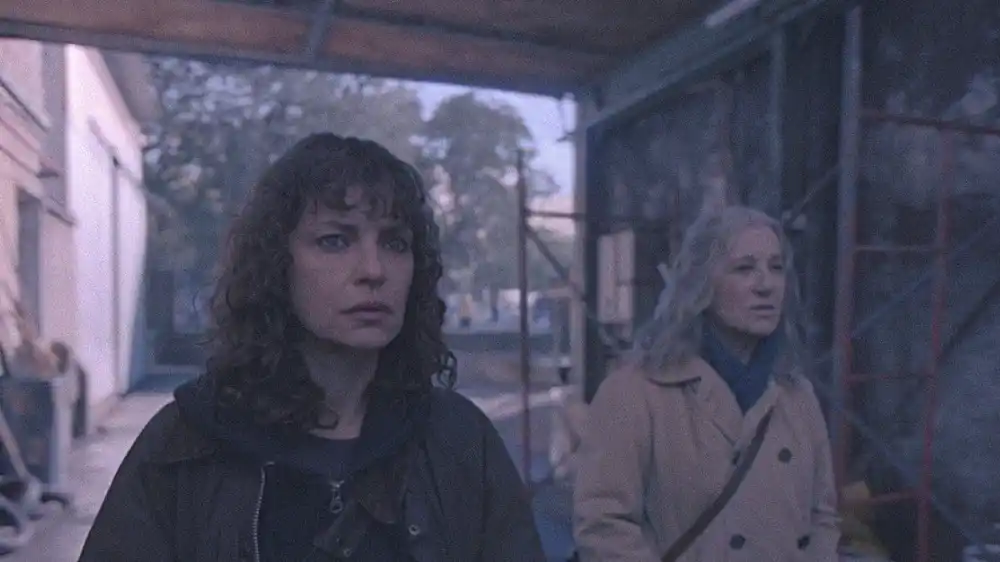
By the end, My Sad Dead isn’t really arguing that the dead are something the living need to defeat. If anything, it suggests that the real problem is what happens when people refuse to listen to the pain that has been left behind. Julie’s death can’t be undone, and neither can all the things Ema’s family failed to say to each other, but acknowledging them finally gives the living a chance to move forward.
Ema’s final change is important for that reason. She doesn’t suddenly stop grieving, and she doesn’t get some magical solution to everything that happened. She simply learns that remembering the dead doesn’t mean giving up your life for them. The spirits can exist alongside her without controlling everything she does.
And that’s probably the bleakest idea at the heart of My Sad Dead. The dead don’t necessarily disappear just because we stop talking about them. Sometimes they remain in families, places and memories, waiting for somebody to finally acknowledge what happened. Julie spent her entire life asking people to listen to her. In death, the whole town finally does.
About the Author