 James Oconner

 Anil Krishna
 Jonathan Millar

Netflix’s East of Eden Fixes the Biggest Flaw of the 1955 James Dean Classic
© Netflix
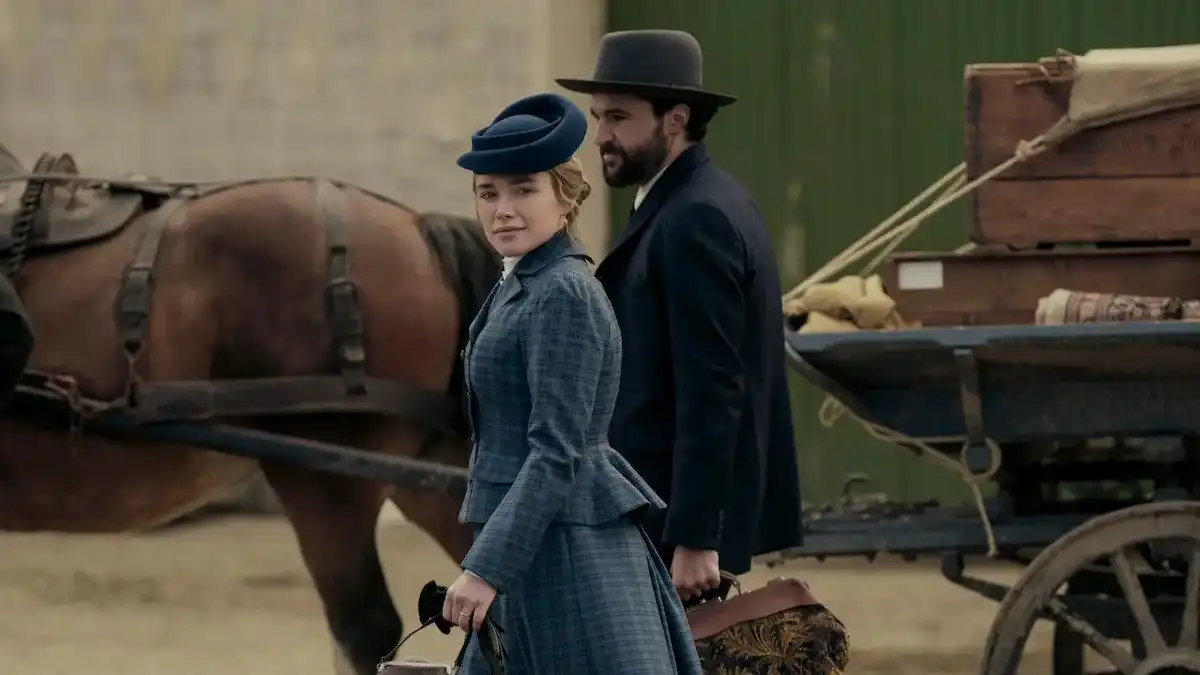
Netflix’s new East of Eden adaptation fixes something that has always been a little strange about the 1955 James Dean movie: it barely gets to the actual story. Elia Kazan’s film is a classic, and it helped turn Dean into an icon, but it also only adapted the final part of John Steinbeck’s enormous novel. Most of the focus is on Cal, Aron, and their father Adam, so viewers are basically dropped into the Trask family drama after a huge chunk of the story has already happened. The new seven-episode series, developed by Zoe Kazan, takes the much longer route and starts from the beginning, giving the characters and their messy family history room to actually breathe.
There’s also something almost too fitting about Zoe Kazan being the one to do it. She is Elia Kazan’s granddaughter, and her series is essentially going back to the novel her grandfather had to cut down so heavily. The 1955 movie had its reasons for doing that, of course. A two-hour film simply couldn’t carry a 600-page novel without making some brutal choices, and focusing on Cal and Aron gave it a strong, contained story. Netflix doesn’t have that problem. With seven episodes, the series can finally explore the generations of characters, betrayals, resentments, and family secrets that make Steinbeck’s book what it is. Since its global release on October 1, East of Eden has also made a pretty big impression, reaching No. 2 on Netflix’s U.S. chart and No. 4 worldwide.
Finally, there’s room for Steinbeck’s full saga
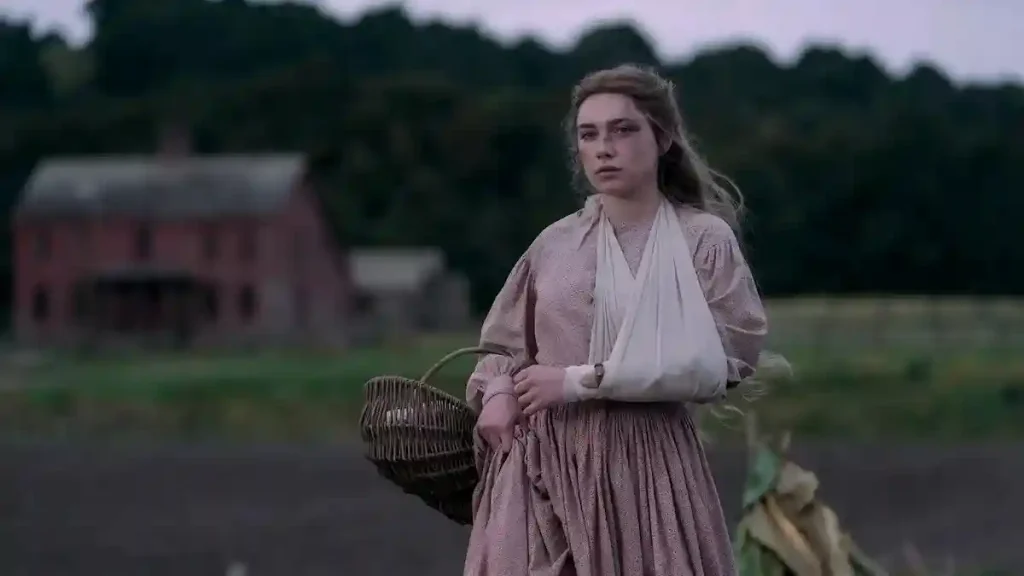
The biggest advantage the miniseries has is also the most obvious one: time. There are more than five extra hours to work with compared with the two-hour movie, and that changes almost everything. Instead of meeting the Trask family when most of their history is already behind them, we get to see how those relationships were formed and where all that resentment came from in the first place. Kazan’s movie had to squeeze the story into a very small space, while the Netflix series can actually spend time on the people before they become the people we know.
And no, it isn’t a scene-for-scene version of the book. Even seven episodes aren’t enough to fit every part of Steinbeck’s novel, and some things had to go. The Hamilton family storyline, for example, is heavily condensed so the series can keep its attention on the Trasks. You could probably argue that eight episodes might have given the story even more breathing room, but seven feels like a reasonable middle ground. It has enough space to cover the larger family saga without turning into a slow-moving book report. The response so far has been pretty strong too, with the series currently sitting at 86% with critics and 73% with audiences on Rotten Tomatoes.
Florence Pugh’s Cathy Gets the Spotlight She Deserves
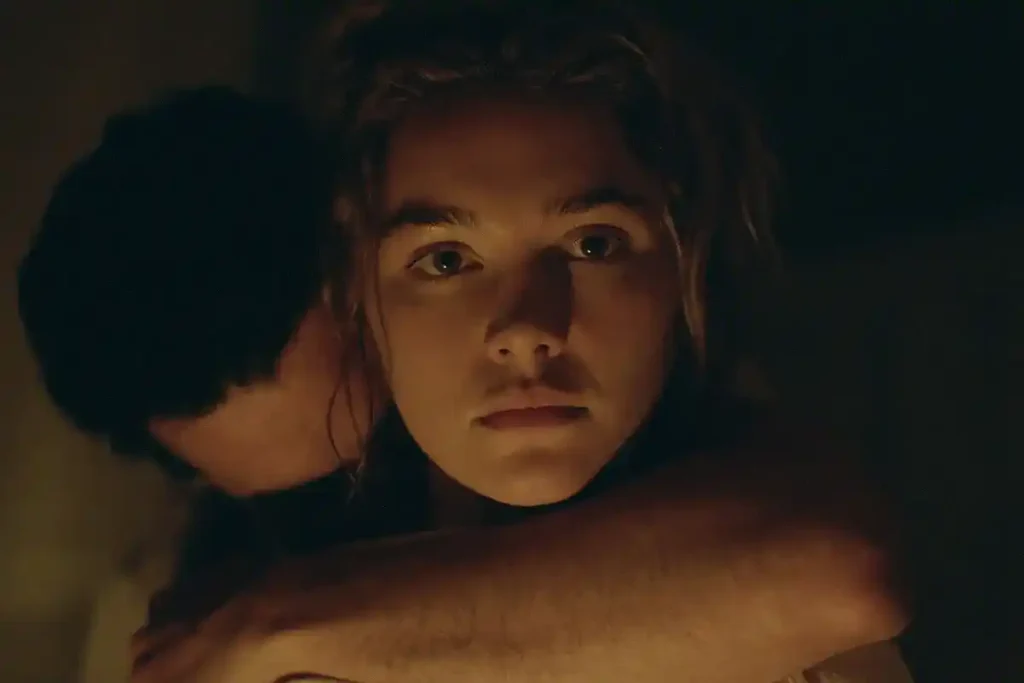
The extra runtime doesn’t just mean Netflix can squeeze in more events from the book. It also changes which characters get to matter. Cathy Ames, played by Florence Pugh, is probably the biggest example of that. A lot of Cathy’s story was left out of the 1955 movie because the film jumped so far ahead, which meant her character never had quite the same weight she has in Steinbeck’s novel. The series goes in the other direction, putting Cathy much closer to the center and spending time on the woman she was before Adam Trask ever met her.
That is also where the series is likely to divide people who are very attached to the book. Steinbeck’s Cathy is deliberately written as an almost purely evil figure, while Pugh’s performance gives her much more of a human side. The show digs into the experiences and trauma that helped shape her, which makes her easier to understand even when she is doing some genuinely awful things. It doesn’t always line up neatly with Steinbeck’s much harsher version of Cathy, and that’s clearly intentional. This isn’t simply a case of Netflix finding scenes that were missing from the 1955 movie and putting them back in. It is making its own interpretation of Cathy.
Still, it gives Pugh a lot to work with, and Cathy becomes one of the main reasons the series feels so different from the movie. Instead of introducing her after some of the most important parts of her story have already happened, East of Eden lets us watch her change, make choices, and gradually become the person who causes so much damage to the Trask family. That makes her much more than just a villain standing in the middle of the story. In a strange way, this is where the new adaptation works best. It isn’t trying to prove that Elia Kazan’s movie was wrong; it is simply taking the parts that movie never had the time to tell and giving them a proper place. And Cathy might be the clearest example of just how different East of Eden becomes when the story is allowed to start at the beginning.
About the Author