 James Oconner

 Anil Krishna

 Jonathan Millar


Lanterns Season 1 Finale: How the Mystery Changes John Stewart’s Future in the DCU
© HBO
The first season of HBO’s Lanterns comes to an end with episode 8, finally revealing what happened to Hal Jordan while shifting the story’s real emotional focus toward John Stewart. And, thankfully, the finale doesn’t take the usual superhero route of ending everything with some enormous CGI battle where half the universe is apparently at risk. Instead, it keeps things surprisingly personal. The biggest moments are about choices, guilt, and what John decides to do when the rules he is supposed to follow suddenly don’t seem all that fair.
That gives the finale a very different feel from the usual Green Lantern story. The mystery gets its answers, sure, but the episode is really more interested in what those answers mean for John and the kind of Lantern he wants to become. By the end, Lanterns has wrapped up its central murder mystery while also giving John a pretty good reason to step outside the system he was trained to serve.
So, Who Actually Killed Hal Jordan?
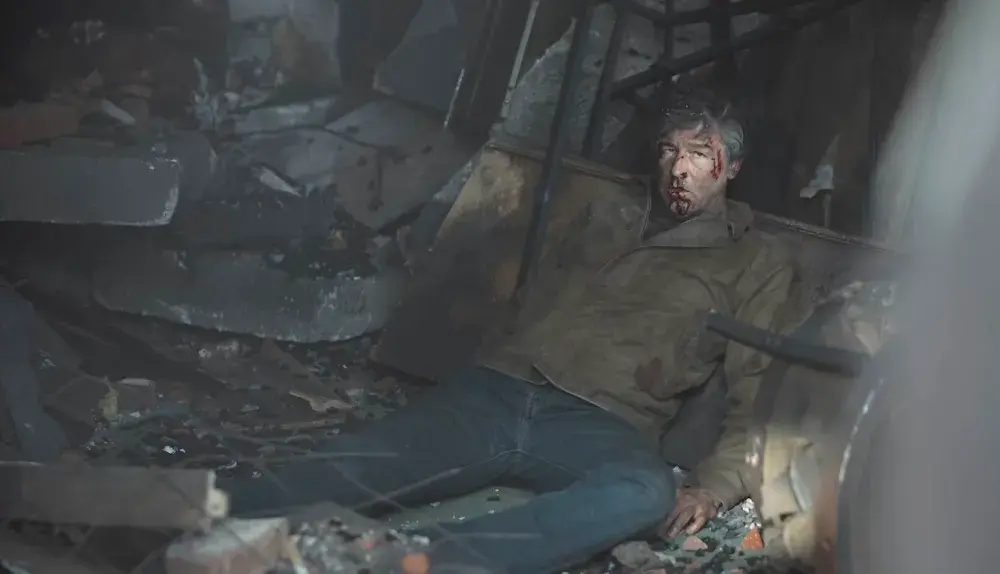
For most of its eight episodes, Lanterns has played like a small-town neo-noir mystery with Green Lanterns dropped right into the middle of it. The question hanging over the whole season has been who killed veteran Lantern Hal Jordan, played by Kyle Chandler. The finale finally gives us the answer: Sheriff Kerry Kane pulled the trigger during a confrontation on the bleachers of the local high school football field.
The reason behind it is where things get much stranger. Hal had discovered that Kerry’s son, Noah, was actually a Manhunter hybrid, a synthetic remnant of the rogue force created by the Guardians of the Universe before the Green Lantern Corps was established. Kerry panicked because she believed Hal would separate her family once the truth came out and the larger cosmic threat became known. So she shot him.
John Stewart Has to Decide What Kind of Lantern He Wants to Be
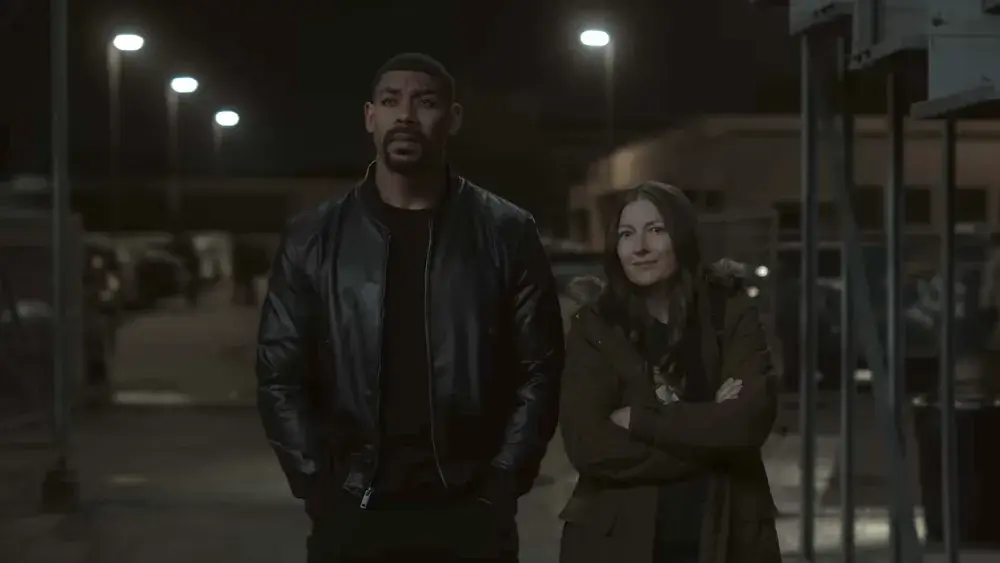
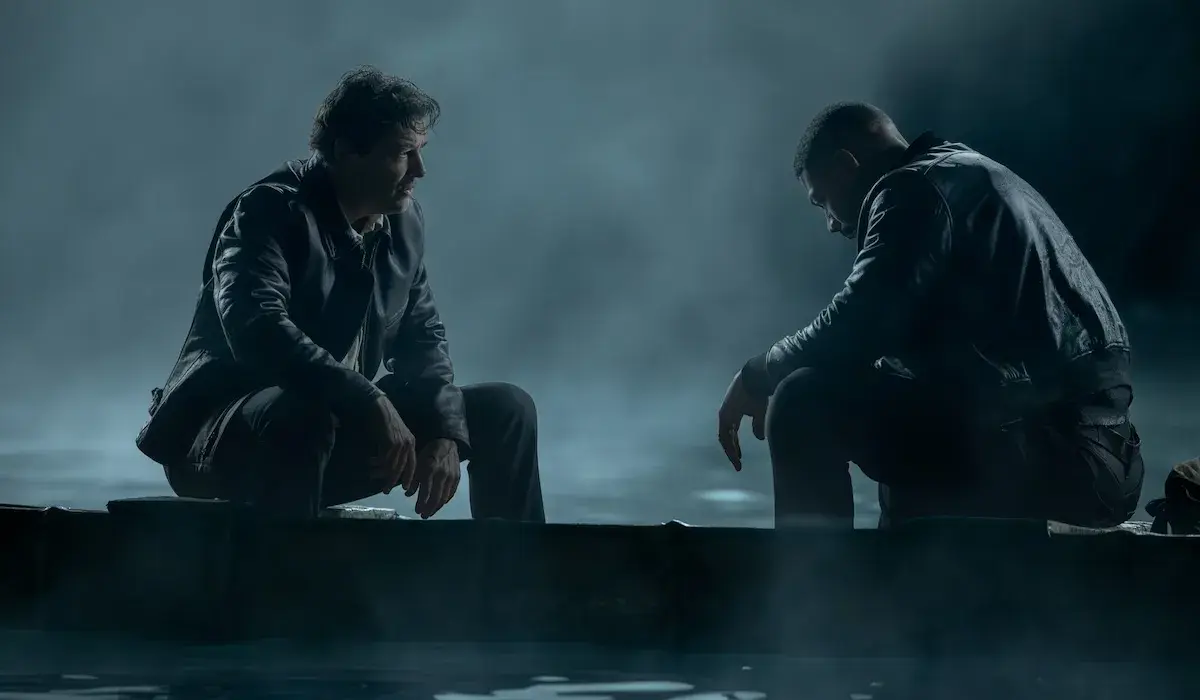
The finale really belongs to John Stewart, played by Aaron Pierre. What makes his decision so important is that he doesn’t simply do what the Green Lantern Corps expects him to do. He has a choice between treating Noah as a potential galactic threat and executing him, or handing Kerry over to Guy Gardner, played by Nathan Fillion, so she can face cosmic prosecution.
John chooses something else.
Instead of blindly following the rules, he chooses compassion. He hides the real circumstances surrounding Hal’s death from the official Green Lantern Corps records, protecting Kerry while also giving Noah the opportunity to live something resembling a normal human life. It’s a risky decision, and John knows it. But it also feels like the first real step toward him becoming his own kind of Green Lantern rather than simply another soldier carrying out orders from Oa.
That becomes even clearer when John steps away from the Guardians’ direct oversight and creates his own power battery outside their network. In doing so, he effectively establishes an independent role for himself as Earth’s protector. It’s a pretty huge move, especially because John is basically telling the organization that gave him his power that he doesn’t intend to answer to them in quite the same way anymore.
Why the Finale Feels Different From a Typical Superhero Ending
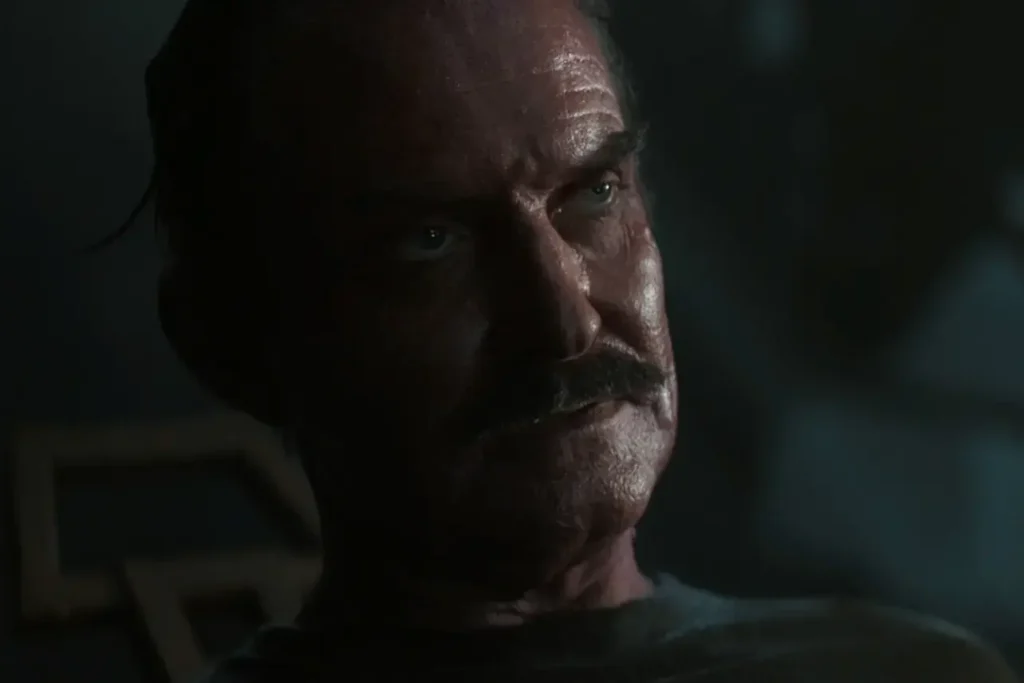
A lot of the response to the finale has focused on how much it favors character drama over spectacle. Aaron Pierre’s performance as John has been one of the major talking points, particularly because he has to carry much of the episode’s emotional weight without relying on some giant action sequence to do the heavy lifting for him.
There are some trade-offs to that approach. The finale uses plenty of dialogue and exposition to tie up its secondary storylines, and that can make the episode feel slower in places, especially after the momentum built across the earlier episodes. But the overall idea works. Instead of trying to turn Lanterns into another space opera, the series has leaned into the crime-drama side of the Green Lantern mythology and made that central to its identity.
And that might be the most interesting thing about the season. The Green Lantern universe is obviously capable of enormous cosmic stories, but Lanterns seems to be arguing that you don’t always need to show the biggest threat imaginable to make a superhero story matter. Sometimes a murder, a family trying to protect itself, and one person deciding whether to follow the rules can carry just as much weight.
What John’s Independence Means for the DCU
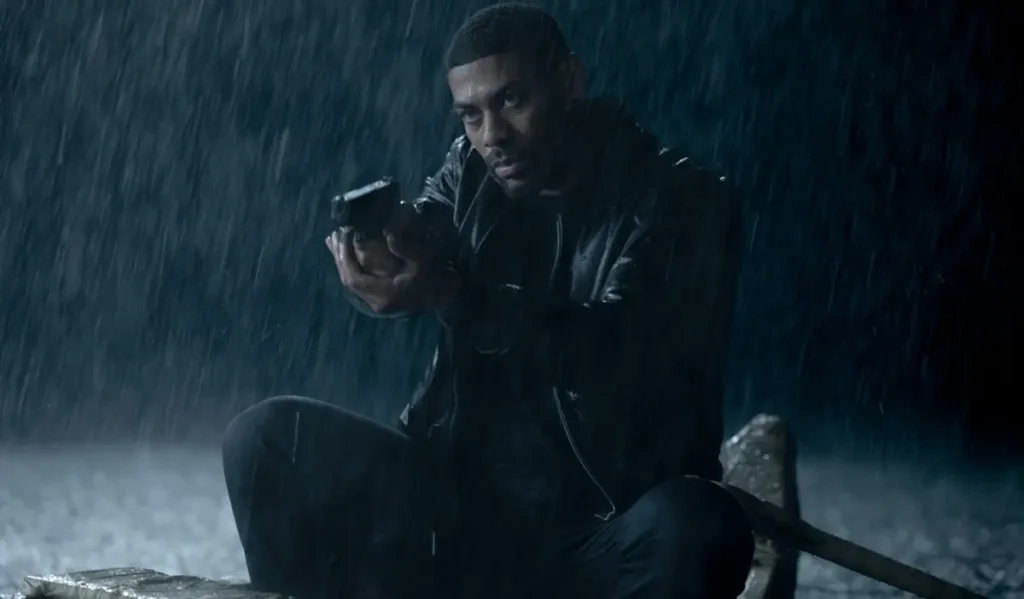
John’s decision to create his own power source could have some pretty significant consequences for the wider DC Universe. The Guardians of the Universe have historically expected Lanterns to follow their authority, so an independent power battery operating in Sector 2814 is unlikely to go completely unnoticed. Sooner or later, John is going to have to deal with the people on Oa who may not be particularly happy about what he has done.
Then there’s Guy Gardner. His loyalty to the traditional Green Lantern hierarchy gives the DCU an easy source of conflict between the two Lanterns on Earth. John is choosing independence, while Guy is much more comfortable with the system as it exists. That doesn’t necessarily mean they become enemies, but there is already a pretty obvious ideological difference sitting between them.
More importantly, the finale gives John something that goes beyond simply being another superhero in the DCU. He now has his own philosophy about what being a Lantern should mean. Lanterns ends its first season by suggesting that the biggest threat John faces may not be some giant cosmic monster at all, but the institution he is supposed to serve and the question of whether he is willing to challenge it.
About the Author