 James Oconner


 Anil Krishna
 Jonathan Millar
Netflix’s New Narnia Trailer Reveals Big Changes, and Aslan Is Only Part of It
© Netflix
Greta Gerwig’s The Chronicles of Narnia: The Magician’s Nephew is already looking quite different from the Narnia films audiences grew up with. The first trailer for Netflix’s new adaptation offers a glimpse of a much more colorful, strange, and theatrical fantasy world, and it seems Gerwig isn’t interested in simply bringing back the look of the earlier movies. There’s been plenty of discussion about Meryl Streep voicing Aslan and the changes being made to C.S. Lewis’s story, but the biggest difference might be the film’s overall approach to magic. This version of Narnia looks less like a real place hidden just beyond our world and more like something pulled straight out of someone’s imagination.
The film adapts Lewis’s 1955 novel The Magician’s Nephew, which tells the story of how Narnia came into existence. Young Digory Kirke and Polly Plummer stumble into other worlds after getting caught up in the magical experiments of Digory’s Uncle Andrew. Their journey eventually brings them face-to-face with Jadis, the woman who will become the White Witch, before they witness Aslan creating Narnia itself. It’s an interesting place to begin a new adaptation because Gerwig isn’t just introducing audiences to a magical land that’s already there. She gets to show how that world comes into being, which gives her plenty of room to put her own stamp on it.
The New Narnia Looks Nothing Like the Earlier Movies
One of the first things that stands out in the trailer is the way Gerwig appears to be handling the fantasy elements. The earlier Narnia films, starting with The Lion, the Witch and the Wardrobe in 2005, leaned into a more grounded look. There were talking animals and mythical creatures, of course, but the forests, castles, and snowy landscapes still felt like places you could almost imagine visiting. Even with all the magic, the world had a certain physical quality to it.
That doesn’t seem to be the priority this time around. The new footage is full of bold colors, unusual compositions, and settings that feel almost dreamlike. The shift from ordinary British life to the strange worlds Digory and Polly encounter looks deliberately dramatic, and Charn, the realm Jadis comes from, seems designed to feel unlike anywhere else. It’s less about making these places look believable and more about seeing just how far the filmmakers can push the imagination. In that sense, the trailer brings to mind the more extravagant side of Charlie and the Chocolate Factory rather than the grounded fantasy style of the previous Narnia movies.
The biggest example comes when Aslan appears in a cosmic setting, surrounded by stars as color spreads across the screen. It’s a striking way to approach one of the novel’s most important moments: Narnia being created through the lion’s song. Instead of treating magic as something that happens inside an already existing world, the film appears to present it as the force that brings the world into existence in the first place. That could make the creation sequence one of the film’s defining moments, especially if Gerwig leans into the idea that Narnia is being imagined into life right before our eyes.
Greta Gerwig Gives Narnia a New Era and a Rock-Inspired Edge
The changes aren’t just visual, either. The film shifts the story’s opening setting to post-World War II Britain, moving away from the Edwardian period associated with Lewis’s original story. That might sound like a small adjustment, but it changes the world Digory and Polly come from before their adventures begin. It could also have an effect on how the story connects to later events in the Narnia timeline, particularly if Netflix plans to adapt more of the books.
Then there’s the music. The trailer uses Led Zeppelin’s “Stairway to Heaven,” which is not exactly what many people would expect from a Narnia adaptation. The song gives the footage a different energy, making the film feel less like a traditional fantasy epic and more like something with a strong pop-culture identity of its own. Of course, a song appearing in a trailer doesn’t guarantee it will feature in the finished film, but the choice still says something about the mood Gerwig wants to establish.
There are hints of a glam-rock sensibility here, too, with the theatrical visuals and larger-than-life presentation bringing David Bowie to mind. It’s an aesthetic where identity can shift, reality gets a little slippery, and the line between the ordinary and the fantastical doesn’t stay put for very long. That doesn’t necessarily mean the entire movie will look or feel like a glam-rock fantasy, and a first trailer can only tell us so much. Still, the contrast with the earlier films is hard to miss. Gerwig seems to be building a Narnia that reflects her own filmmaking instincts rather than trying to recreate the familiar style of the previous adaptations.
What Barbie and Little Women Tell Us About Gerwig’s Narnia
Gerwig’s earlier films offer some clues about why she might take this approach. In Little Women, she found a way to revisit a well-known literary classic without simply retelling it in a straight line, using its structure and editing to bring something new to the story. Then came Barbie, which turned a hugely recognizable toy into a bright, deliberately artificial world full of theatrical imagery and questions about identity. The Magician’s Nephew could give her an opportunity to bring those two sides of her filmmaking together: the careful reworking of a beloved book and the creation of a world that doesn’t need to pretend it’s realistic.
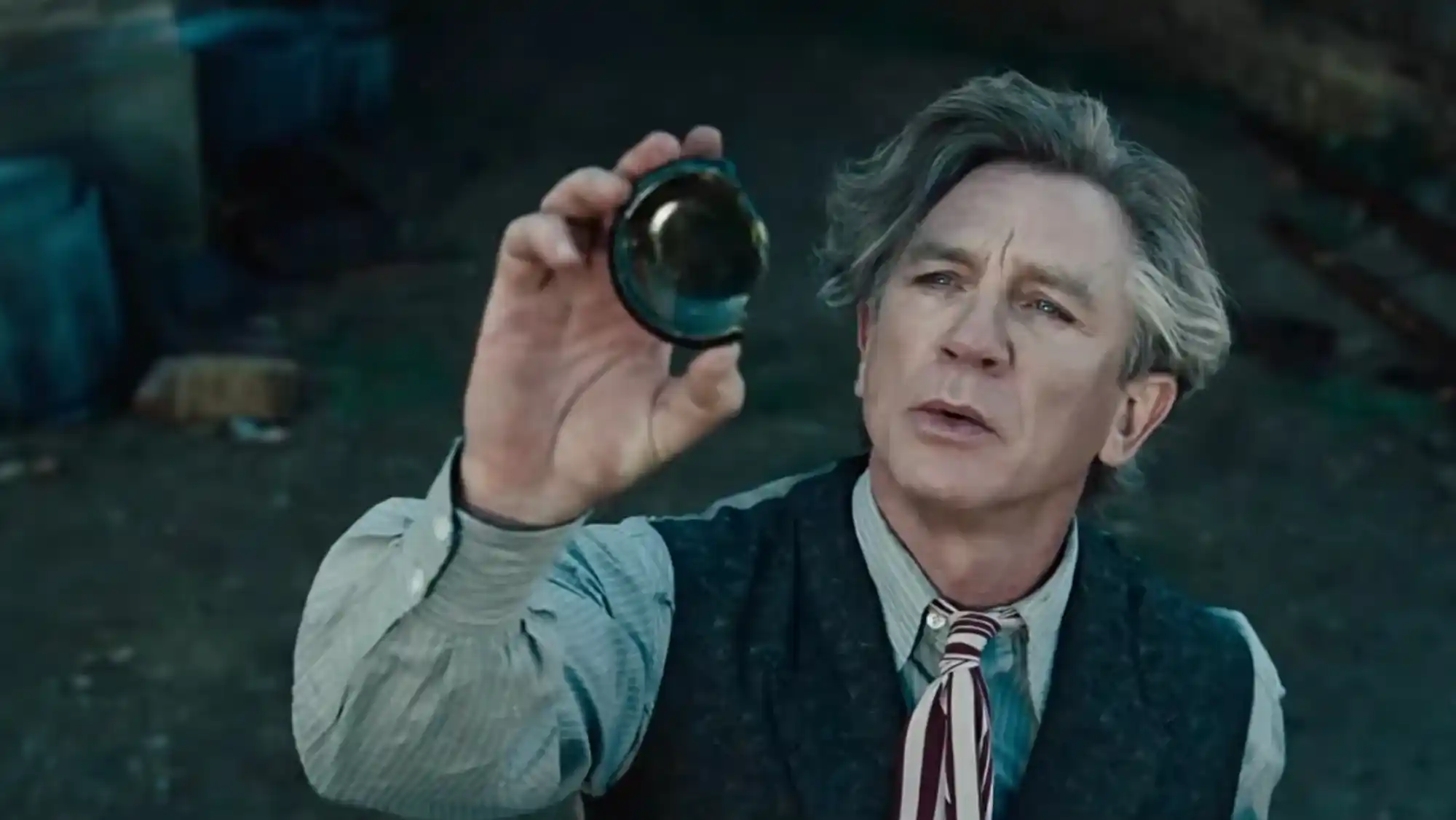
Starting with The Magician’s Nephew also gives the film a different job from the earlier adaptations. Although Lewis published it after The Lion, the Witch and the Wardrobe, the story takes place earlier in Narnia’s history. Digory and Polly, played by David McKenna and Beatrice Campbell, are there at the beginning, watching the foundations of a world take shape. The cast also includes Daniel Craig as Uncle Andrew, Emma Mackey as Jadis, and Meryl Streep as the voice of Aslan. Rather than simply revisiting characters and places audiences already know, the film can explore where Narnia’s rules and conflicts came from in the first place.
Of course, a bold visual approach doesn’t automatically make for a better adaptation. Lewis’s books combine adventure with religious allegory and moral questions, often without making those ideas feel overly complicated. There’s a simplicity to the storytelling that’s part of their appeal, and a film that piles on too many elaborate images could risk losing some of that charm. But staying faithful to a book doesn’t always mean copying its events or recreating its world exactly as readers picture it. The bigger challenge for Gerwig will be finding a way to preserve the emotional and spiritual heart of Lewis’s story while telling it in a style that feels distinctly her own.
The Chronicles of Narnia: The Magician’s Nephew is scheduled to arrive in theaters in February 2027 before making its Netflix debut on April 2. It’s too early to know whether the film’s more unusual approach will win over longtime readers, especially those who have a strong attachment to the earlier adaptations. What the trailer does make clear, though, is that Gerwig isn’t simply trying to bring back the Narnia people remember. She’s taking the story back to the beginning and imagining what this world might look like if audiences were seeing it for the very first time.
About the Author