 James Oconner

 Anil Krishna
 Jonathan Millar

Slow Horses Season 6 Finale: River’s Fate and Slough House Will Never Be the Same
© Apple TV+
The Season 6 finale of Slow Horses, titled “Judgment Day,” leaves the show in a pretty bleak place. There are betrayals, several devastating losses, and an ending that makes it hard to feel confident about what comes next for Slough House. For a series that usually finds a way to make even the ugliest situations funny, this finale feels unusually grim. The jokes are still there, but they don’t do much to soften the damage this time around.
The Crowbar Nerve Agent and River Cartwright’s Fate
River Cartwright’s final scene is easily one of the most unsettling moments of the episode. He returns to his late grandfather David’s house, apparently expecting a quiet moment or perhaps a chance to reunite with Sid. But as soon as he reaches for the door handle, a hidden nerve agent mechanism, left behind by Russian operatives seeking retaliation, goes off. River collapses, struggling with the effects of the poison, and the episode cuts to black before we get a clear answer about whether he’ll survive.
It’s a nasty way to leave things, especially for a character who has spent so much of the series getting himself into trouble and somehow finding a way out again. The scene also brings the threat of state-sponsored poisonings uncomfortably close to home. Readers of Mick Herron’s Bad Actors may have some idea of where River’s story goes, since the novel includes a similar attack that he survives. But the television series has made changes to the source material before, so knowing what happens in the books doesn’t necessarily settle the question. For now, River’s fate is left hanging, and the timing couldn’t be worse for the already battered Slough House team.
Jackson Lamb’s Latest Exercise in Damage Control
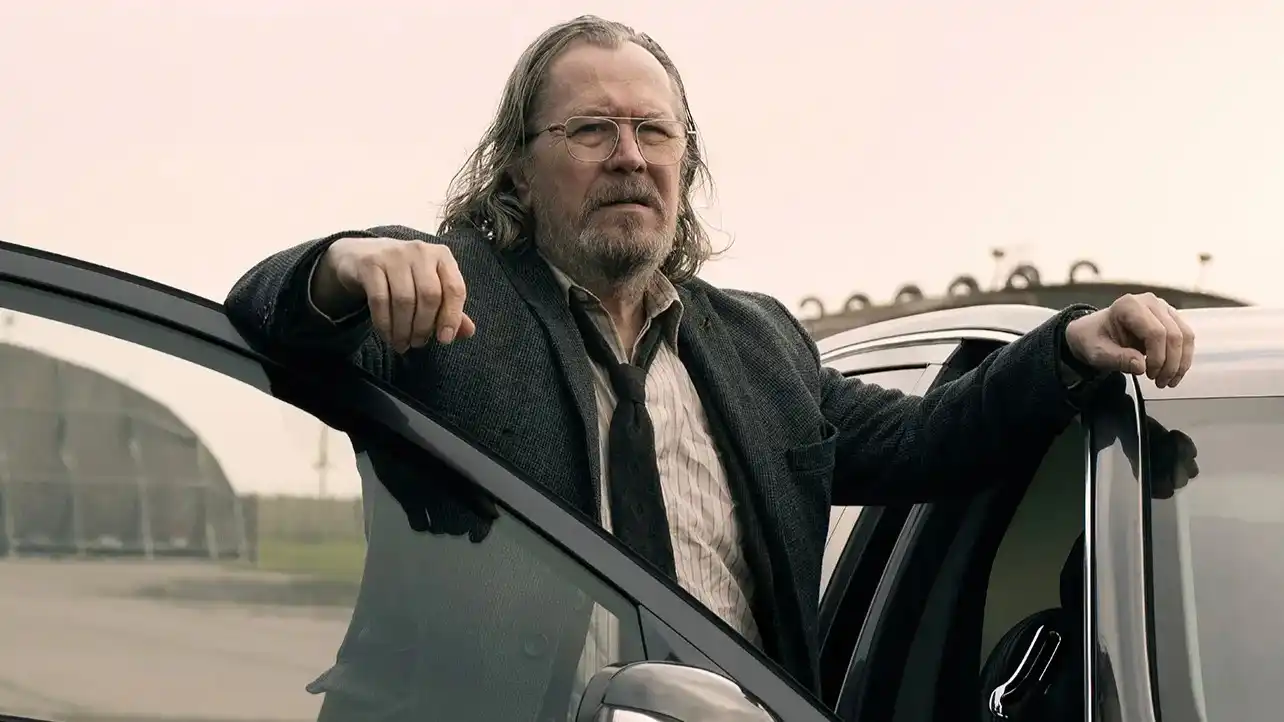
While River is fighting for his life, Jackson Lamb is doing what he does best: trying to keep the whole mess from destroying his team. An unauthorised operation on Russian soil has left bodies behind and created a serious political problem on both sides. Lamb knows that simply telling the truth isn’t going to save anyone, so he starts putting together a version of events that might actually work.
His solution is to pin the wider operation on billionaire Damien Cantor, presenting him as the double agent who financed the rogue activities. It’s a convenient story for Whitehall, and it gives Moscow someone else to blame, too. Cantor becomes the man left holding the bag while Lamb tries to keep Slough House from being wiped out entirely. It is classic Lamb: grubby, cynical and probably the only kind of plan he could get away with. He doesn’t need to win a fight in the conventional sense. He just needs to make sure someone else takes the fall before the people upstairs decide his team has become too much trouble.
Diana Taverner Comes Out on Top at Regent’s Park
Diana Taverner has her own problems to deal with at MI5 headquarters, but she knows how to turn a disaster into an opportunity. The operation has gone badly enough to attract attention, and as First Desk, she’s hardly in a position to pretend none of it happened. Still, Lamb’s plan to make Cantor the central figure in the scandal gives her a way to push the blame elsewhere.
Former officials such as Peter Judd become convenient targets for the political fallout, allowing Taverner to distance herself from the worst of the mess. She has no particular reason to protect the people who have become liabilities, and she certainly isn’t going to sacrifice her own position out of loyalty to them. Lamb handles the dirtier work outside the official channels, while Taverner makes sure the damage doesn’t reach too far into her own office. By the end, she seems to have emerged with her grip on Regent’s Park intact, which is more than can be said for most of the people caught up in the crisis.
The Heavy Toll on Slough House and the Dogs
The deaths in “Judgment Day” make it clear that the series isn’t interested in giving everyone a safe way out. Emma Flyte is killed on the Suffolk coast by Frank Harkness after she runs out of ammunition while trying to protect her colleagues. J.K. Coe also dies in the firefight, a particularly harsh outcome for someone whose quiet, withdrawn nature might have made him seem less exposed to danger than the more obvious targets.
The people who survive aren’t exactly walking away untouched, either. Louisa Guy is badly injured and left using a crutch, but her decision to leave Slough House goes beyond her physical recovery. She has seen enough to understand what staying in the intelligence service is likely to cost her. Walking away means giving up the work and the people she’s known, but it may also be the only way she can stop herself from becoming the next name on the casualty list. It’s a sad ending for Louisa, and a reminder that even the people who make it through these operations don’t always come out the other side in one piece.
What the Finale Means for Season 7
With the team reduced and River’s condition still unknown, Slow Horses has left itself with some serious questions to answer. Slough House will have to carry on without several familiar faces, while Lamb is left to manage the survivors and whatever new disaster MI5 throws at them next. The remaining rejects may eventually settle back into their usual routines, but it would be difficult to pretend that nothing has changed.
River’s situation is the biggest immediate concern. If he recovers, he’ll have to deal with the aftermath of the attack and whatever it means for his place in the service. If he doesn’t return quickly, Slough House will be missing one of its central figures at a time when the team is already struggling to hold itself together. The consequences of the events on the Suffolk coast and at David Cartwright’s house are likely to follow the characters into the next season, rather than disappearing once the immediate crisis is over.
A Much Darker Turn for Slow Horses
One thing that separates Season 6 from earlier runs is how little room it leaves for the show’s usual dark humour to take the edge off the violence. Slow Horses has always been good at balancing the grim business of espionage with the ridiculousness of life at Slough House. Lamb’s insults, the team’s mistakes and the endless bureaucratic nonsense have often made even the most dangerous situations feel strangely bearable. This time, the losses hit harder, and the humour doesn’t always arrive in time to give the audience much relief.
Coe’s death and Louisa’s departure are particularly important in that respect. These aren’t just dramatic events thrown in to make the finale feel bigger. They change the shape of the group and leave the survivors with fewer people to rely on. Lamb’s constant sarcasm has always been part of what makes him entertaining, but it also feels like a way of keeping the grief at a distance. He has spent years acting as though nothing can get to him, even as the people around him keep getting hurt. The finale makes that attitude feel less like a funny character trait and more like something he needs to keep functioning.
Jackson Lamb and Diana Taverner: Two Sides of the Same Game
The finale also gives the relationship between Lamb and Taverner another interesting turn. They may spend much of the series working against each other, but they understand the system they serve better than almost anyone else. Neither is particularly interested in clean hands, and both know that surviving at the top of British intelligence often means making choices that would look terrible outside those walls.
The difference is mostly in how they go about it. Taverner works in the polished offices of Regent’s Park, where political survival depends on keeping the right people happy and making the right people expendable. Lamb operates in the shadows, dealing with the bloody consequences that everyone else would rather ignore. They may not agree on much, but they both understand that the institution will protect itself long before it protects the people working for it.
That’s what makes the unresolved ending with River so unsettling. Even if he survives, there’s no guarantee that he’ll be any safer inside this system than he was outside it. The same goes for the rest of Slough House. They can outsmart their enemies, expose a conspiracy or help MI5 escape another scandal, but there’s always another mess waiting around the corner. After this finale, it’s hard not to wonder whether surviving is really a victory in Slow Horses, or just a way of buying yourself a little more time.
About the Author