 James Oconner


 Anil Krishna

 Jonathan Millar

‘Street Fighter’ Review: A Glorious 1990s Manifesto
© Paramount Pictures
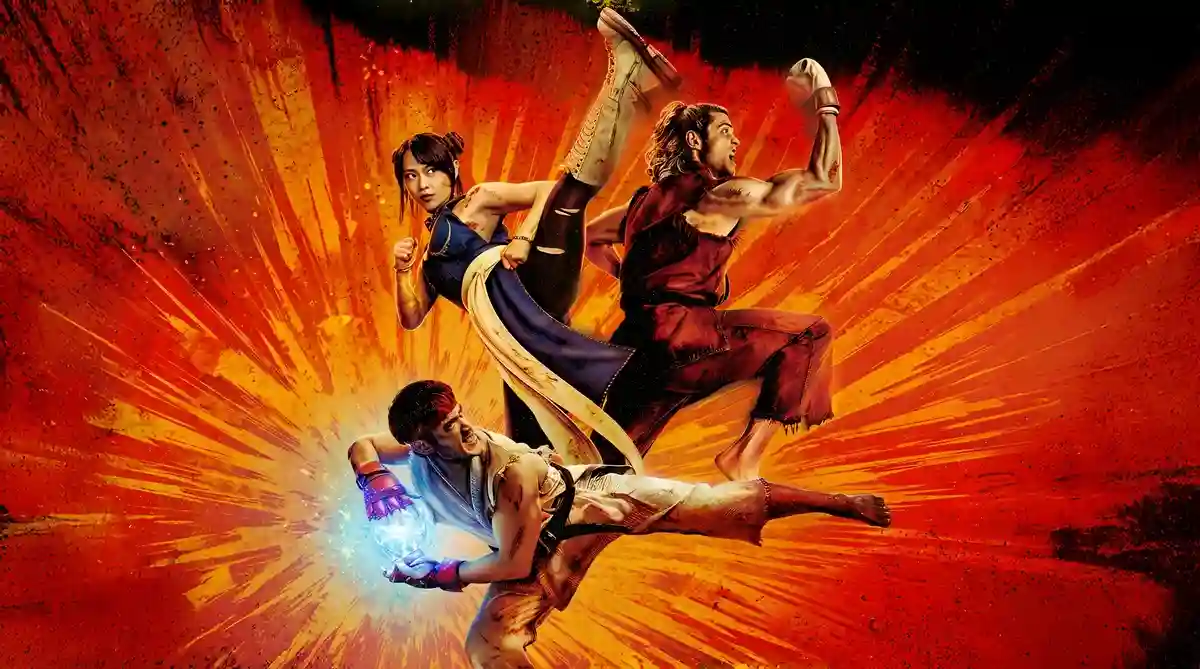
Bone-crunching brawls, mischievous nostalgia, pop aesthetics, and non-stop fun. Kitao Sakurai has pulled it off: he has turned Street Fighter, the most influential fighting game in video game history, into a movie truly worthy of the name.
To be fair, the Japanese-American director, born in 1983, has upgraded the 1994 cult/trash classic starring Jean-Claude Van Damme and Raúl Juliá with a bigger budget and fresher ideas, focusing on superior character portrayals wrapped in a structure that makes all the difference. This isn’t a remake, as the plot is entirely different. Instead, that 1994 staple of video rental stores served Sakurai as a loose blueprint, reinterpreted through a style that blends contemporary cinema with the distinct flavor of the nineties.
A Movie That Feels Like It Walked Out of an Arcade
And naturally, this Street Fighter is fittingly set in 1993. At the center of the story are Ryu and Ken (Andrew Koji and Noah Centineo), estranged after the disappearance of their master, Gouken, at the hands of Akuma (Roman Reigns). Having fallen on hard times, they return to fighting for the World Warrior Tournament, organized by the ruthless General M. Bison (David Dastmalchian).
They are roped in by the mysterious Chun-Li (Callina Liang), who is hell-bent on avenging her father’s murder at Bison’s hands. Between rounds, Ryu and Ken cross paths with some of the greatest fighters in this bizarre universe: Guile (Cody Rhodes), Dhalsim (Vidyut Jammwal), Vega (Orville Peck), Balrog (50 Cent), and many others. It must be said: every single one of them is well-characterized and organically woven into the narrative.
The Invincible Nineties
As you’ve probably gathered, Sakurai’s Street Fighter is also genre filmmaking of a kind we haven’t seen in a while. It’s stuff that cuts straight to the chase, pokes fun at itself, and refuses to take things too seriously, yet packs a serious punch by wrapping the carnage in meticulous care. Details, Easter eggs, references, inside jokes, and backgrounds that spring to life straight out of the video game franchise. The production design is insane, tying seamlessly into Ken Seng’s cinematography and an explosive soundtrack that strikes every right chord for the ’90s. For starters, the film opens with Ryu listening to “What’s Up?” by the 4 Non Blondes.
Then there’s the complex, codependent dynamic between Ryu and Ken—two guys who fight to live, and live to fight. Having embedded themselves into pop culture, they are capable of shaping generations after facing the dizzying heights of glory and devastating falls. But make no sure: even with a straightforward screenplay penned by Dalan Musson, Sakurai manages to maintain both high aesthetic and narrative value, constructing a sweeping, ambitious work that is neither trite nor messy. Frankly, it’s about time.
A Movie That Works (Despite Blanka)
So yes, Street Fighter is a vibrant film that respects its audience and honors its source material, adapting it through a cinematic lens that isn’t afraid to take big swings. The only real flaw: while the director’s preference for practical craftsmanship is admirable, the CGI applied to the beloved Blanka feels a touch out of place compared to the rest of the film, making the character look almost disconnected from his surroundings (with Jason Momoa providing the facial performance).
Ultimately, keeping one eye on the past while firmly gripping the present (nostalgia included), Sakurai—who grew up practicing his Hadouken—blends tones and situations. He clearly caters to fans of Capcom’s game (without ever falling into the trap of slavish, hollow fan service) while pushing universal themes like friendship, rivalry, and self-awareness to hook the broadest audience possible. And he succeeds brilliantly.
Conclusion
It wasn’t an easy feat, yet Street Fighter retains the original tone of the game while broadening its scope into proper, top-tier entertainment cinema. Never cliché and bursting with details, the film prioritizes action and pacing without ever neglecting its visual identity. It’s a masterclass in text and context, doing justice to the myriad elements that make up the Capcom universe—from the fighters to the backstages. It’s a riot of color and style that makes the whole experience wonderfully accessible to a massive audience.
About the Author