

“Supergirl” did worse than one of the worst comic-book movies ever on its debut
© Warner Bros.
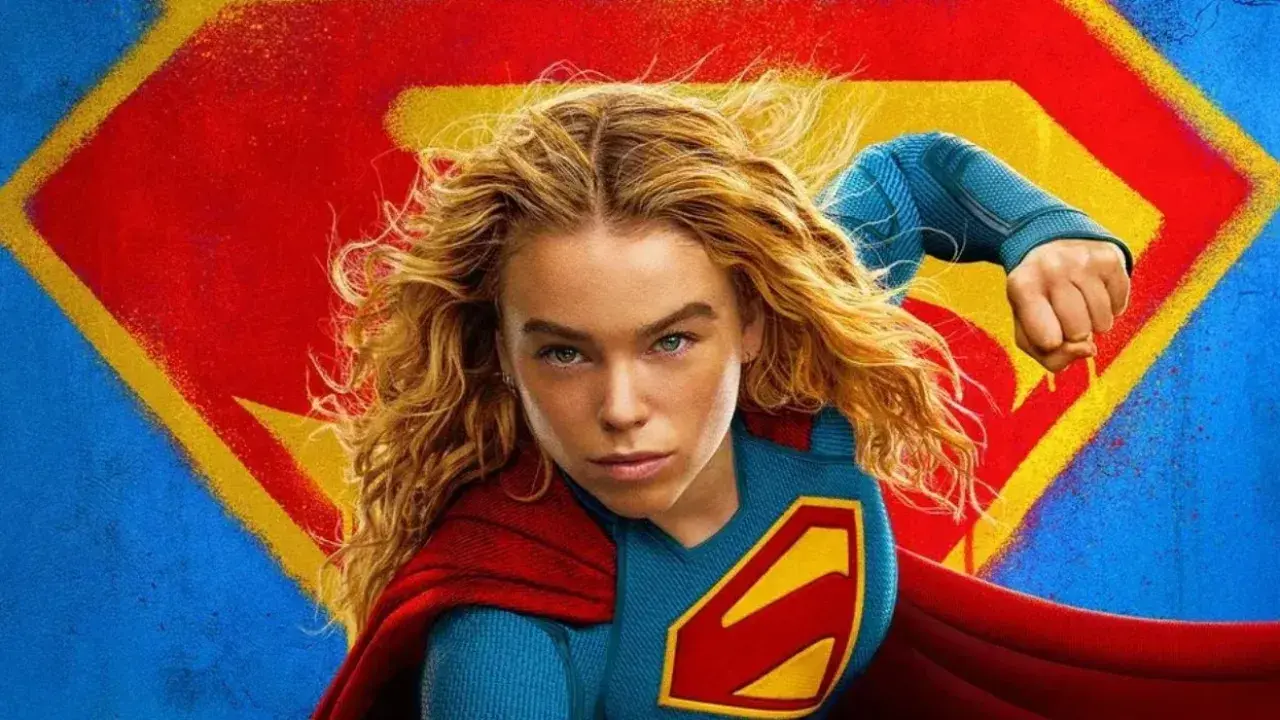
After the great enthusiasm generated by the success of Superman, which last summer had strongly relaunched the new DC cinematic universe, earning the title of the highest-grossing superhero film of the year, few would have expected a sharp slowdown already with the second chapter of the franchise.
And yet, that is exactly what happened with Supergirl, which arrived in theaters with very different expectations but was unable to turn them into concrete results at the box office. The film dedicated to Kara Zor-El was considered one of the most anticipated blockbusters of the season, although being aware that it could not compete with the phenomenon represented by Toy Story 5, the analysts considered a debut of more than 50 million dollars in the United States plausible. Things, however, went differently, and the first weekend of programming ended with numbers significantly lower than expected.
With a box office of around 38 million dollars in the U.S. market, Supergirl had an even weaker debut compared to some of the most talked-about superhero movies in recent years. The film actually opened below The Marvels, which stopped at 46.1 million dollars in its opening weekend, and also below Morbius, which at the time managed to collect around 39 million. A figure that is even more surprising considering that Spider-Man: Brand New Day, expected in theaters only next month, has already surpassed this amount thanks to ticket pre-sales alone.
A result that complicates the plans of the new DC universe
Regardless of the reviews on the film’s quality, the box office response represents a wake-up call for DC Studios and Warner Bros. The major had shown great confidence in the project, choosing one of the most prestigious summer windows for Supergirl, hoping that word of mouth and public interest would turn the film into a new success.
Considering a budget estimated between 170 and 186 million dollars, the film didn’t need to reach astronomical figures to break even, but in light of this debut, the path to economic breakeven appears decidedly more complicated. If the trend continues in the coming weeks, the film risks being remembered as one of the main commercial failures of the year.
The future of Supergirl, however, does not seem to be in discussion.
Fortunately, the disappointing debut of the film should not compromise the already established plans for the character, as it was indeed confirmed before the film’s release that Kara Zor-El would have an important role in the development of the new DC Universe, and Milly Alcock will return to portray her in Man of Tomorrow, scheduled for next summer.
Even among those who expressed contrasting opinions about the film, one of the aspects that received the most consensus was indeed the performance of the Australian actress. Many viewers appreciated her portrayal of the famous Kryptonian heroine and believe she could offer even more with a stronger script and a different narrative context.
With Man of Tomorrow already in the works, Kara’s journey within the new shared universe seems to have already been planned and is unlikely to undergo radical changes. More interesting will be to understand what impact this result will have on the future strategies of DC Studios.
The new cinematic universe, in fact, does not seem to be in danger, with Creature Commandos, Superman, and the second season of Peacemaker receiving a decidedly positive reception, making Supergirl appear more like an isolated case than a sign of a general crisis. However, it is possible that Warner Bros. may choose to focus more on the most popular and recognizable characters, those that historically offer greater guarantees at the box office.
It is no coincidence that the only DC feature films already scheduled with a release date are Man of Tomorrow, once again focused on Superman, and The Batman Part 2, dedicated to the Dark Knight. A strategy that recalls what Marvel Studios is also considering, increasingly oriented toward focusing on its strongest brands after some results that fell short of expectations obtained from productions dedicated to less popular characters.
Source: Deadline
About the Author