 James Oconner


 Anil Krishna

 Jonathan Millar

The Ending of Avengers: Endgame Has Been Changed… and Doctor Doom Plays a Part
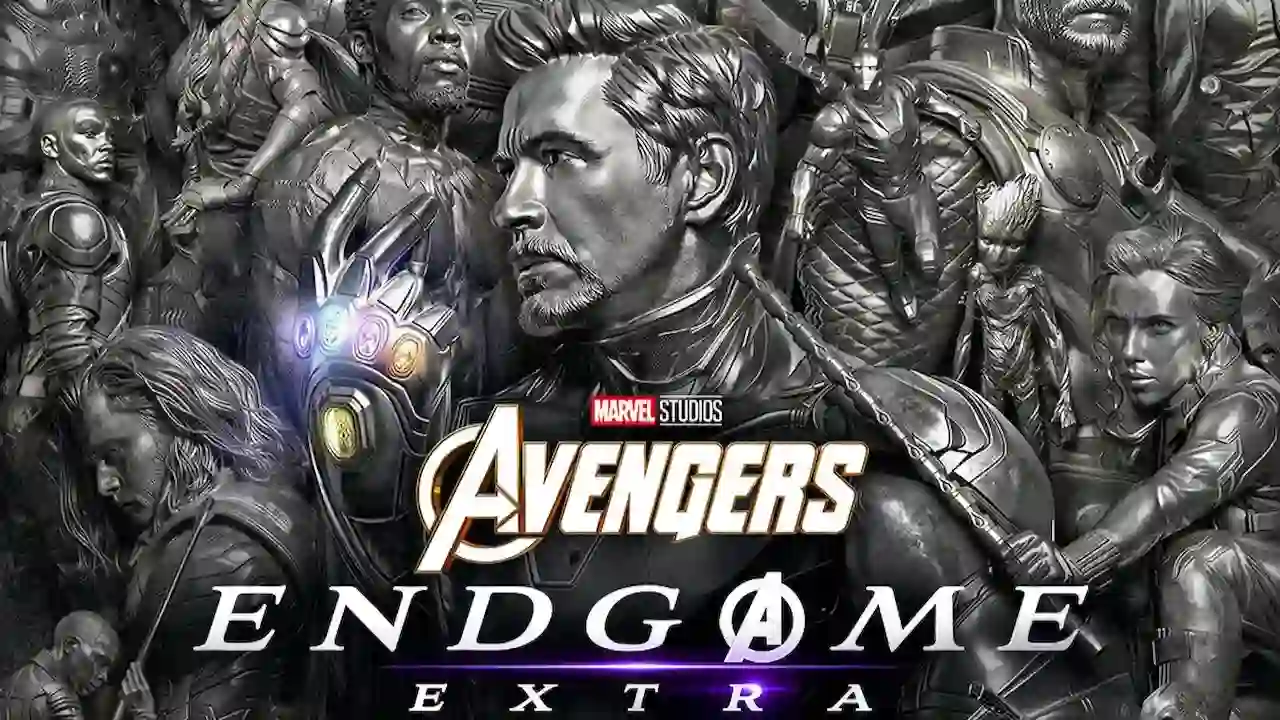
© Marvel Studios
For a long time, Avengers: Endgame felt like the end of the Marvel Cinematic Universe as we knew it. When the 2019 movie arrived, it wasn’t just another superhero sequel. It was the payoff to more than a decade of stories that started with Iron Man, and for a lot of viewers, the ending felt like Marvel finally closing the book on its original Avengers. Thanos was defeated, Tony Stark was gone, Steve Rogers had walked away from the superhero life, and the Infinity Saga had reached its emotional finish.
But Avengers: Endgame Encore has now gone back and added some new material to that ending. The theatrical re-release includes four post-credits scenes that connect Endgame much more directly to Avengers: Doomsday. And while none of this changes what happened to Thanos or the original Avengers, it does change the feeling you get when the credits roll. The movie no longer feels quite as interested in saying goodbye. It’s already looking around the corner at what’s coming next.
Steve and Peggy’s Ending Gets a New MCU Connection
One of the biggest changes comes after Steve Rogers finally gets the quiet ending he always wanted. In the original Endgame, Steve goes back in time, lives his life with Peggy Carter and eventually returns as an old man to pass the shield to Sam Wilson. It was a surprisingly simple ending for a character who had spent years being pulled from one enormous battle into another.
The new material complicates that ending by bringing Loki and the TVA into the picture. Suddenly, Steve’s return is tied more directly to the larger multiverse storyline and, eventually, Avengers: Doomsday. It’s a strange addition when you remember how deliberately final Steve’s original ending felt. At the time, the point seemed to be that Steve was finally choosing his own life. Now, Marvel is giving that moment another connection to the wider MCU.
And that’s basically what Endgame Encore does throughout its added scenes. It keeps reaching backward into a movie that was designed to look back at everything that came before, then turns its attention toward what’s next.
Doctor Doom Changes the Meaning of the Final Sound
Then there’s Doctor Doom and Bruce Banner, whose appearance adds another layer to the Endgame ending. There’s also a sequence involving the TVA that hints at bigger problems with the multiverse, making the film feel much more closely connected to projects such as Loki and Deadpool & Wolverine.
But the detail that’s probably going to get the most attention is the new explanation for the very last sound in the credits. In the original Endgame, the final hammering sound was widely understood as a callback to Tony Stark building his first Iron Man suit in the original Iron Man. It was a neat little full-circle moment. Marvel had spent eleven years building this universe, and the movie ended by echoing where it all started.
Now that sound means something very different.
In Endgame Encore, the hammering is connected to Doctor Doom forging his mask. That’s a pretty major symbolic shift, even though it’s only a small change on screen. Instead of ending with a reminder of Tony and the beginning of the MCU, the movie now ends by pointing toward Doom and the next Avengers story.
The choice is especially interesting because Robert Downey Jr. is returning to the MCU as Victor von Doom. So the same actor who helped launch Marvel’s original era as Tony Stark is now being used to introduce one of the biggest threats of its next one. It’s hard not to notice the symmetry there.
Why Marvel Is Changing the Ending Now
There is a practical reason for all of this. The road to Avengers: Doomsday hasn’t been nearly as straightforward as the build-up to Infinity War and Endgame. Marvel has gone through delays, creative changes and the decision to move away from Avengers: The Kang Dynasty and toward Doomsday. That has left the Multiverse Saga feeling more scattered than the Infinity Saga did at the same point. Adding these scenes to Endgame is one way of making the transition feel less abrupt. The movie that once served as the final chapter of one era can now double as a bridge into the next one.
Whether you like that idea probably depends on what you wanted Endgame to be. The original ending had a very specific kind of finality to it. Tony’s death mattered. Steve’s retirement mattered. The Avengers splitting apart mattered. Even that little hammering sound felt like a goodbye to the story that started in 2008.
Now, Marvel is essentially saying, “Yes, that was the ending… but here’s what comes next.”
That’s not necessarily a bad thing, but it does change the movie. Endgame no longer sits quite as comfortably as the definitive endpoint of the Infinity Saga. With Doctor Doom, the TVA and the multiverse now hanging over its final moments, it feels less like the end of Marvel’s first great chapter and more like a movie that is already preparing the audience for the next one.
About the Author