 James Oconner

 Anil Krishna

 Jonathan Millar


The Trap Ending Explained: Did Lisa Kill Anna, or Is There More to the Story?
© Netflix
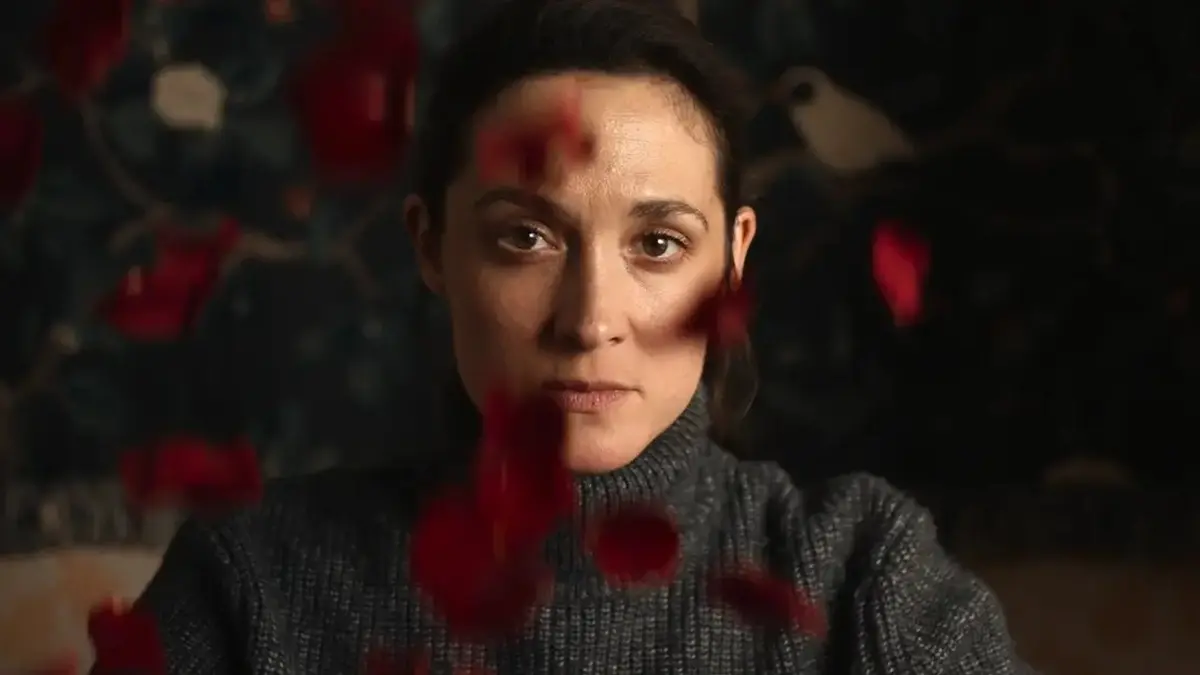
Netflix’s German thriller The Trap spends six episodes making us believe we know what happened to Anna. Her sister Lisa has spent ten years shutting herself away from the outside world, haunted by the murder and convinced she knows who is responsible. When she spots journalist Robert Lenzen on television and believes he is the man who killed Anna, she comes up with a plan to get him to confess. But the closer Lisa gets to the truth, the less certain things become. By the end, the biggest question isn’t just whether Robert killed Anna. It’s whether Lisa has been hiding something from herself all these years.
Based on Melanie Raabe’s novel, the series was developed for television by Isabel Kleefeld, Tom Spiess, and Friederich Oetker. At first, it looks like a fairly straightforward story about a woman trying to catch her sister’s killer. Then the details start to fall into place, and the whole thing gets much murkier. Robert is clearly connected to Anna’s death, but the finale raises the possibility that he wasn’t the only person who stabbed her. And if Lisa was involved, even in a way she can no longer remember, what does that mean for everything we’ve watched her do?
Did Lisa Stab Her Sister After Robert Left?
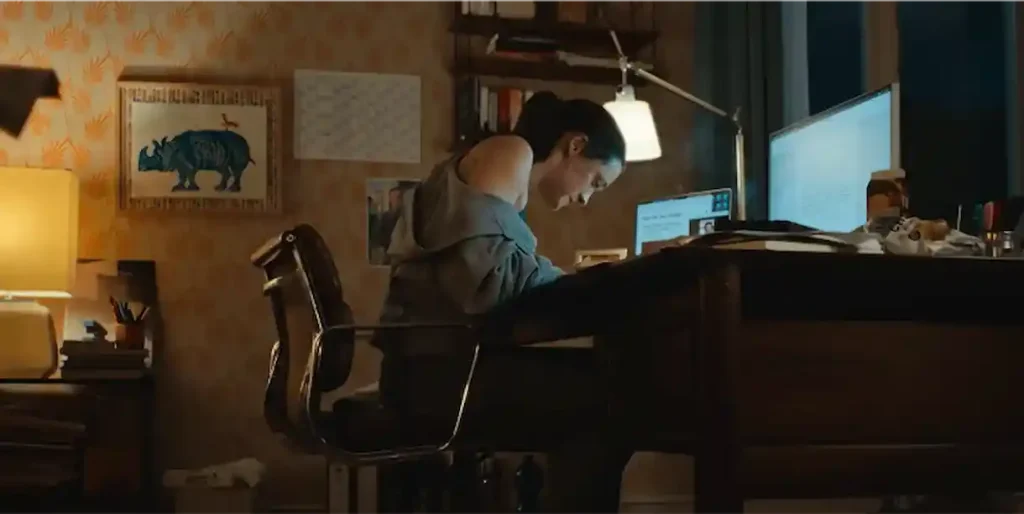
To make sense of the ending, it helps to go back to the night Anna died. Ten years before the main events of the series, Lisa, who was then known as Lisa Sophie Wilking, arrives at her sister’s apartment and finds her covered in blood. She catches a glimpse of a man running away, but she’s unable to stop him. The experience changes her life completely. Lisa changes her name, becomes a successful author, and withdraws from the world, spending a decade inside her house.
When she later recognizes Robert Lenzen as the man she saw that night, she decides to use her writing to draw him out. Her novel is inspired by Anna’s murder, and the interview she arranges with Robert is really a trap designed to make him reveal what he did. For a while, the plan seems to be working. Robert tries to throw her off, denies knowing Anna, and even produces a video that supposedly places him in Afghanistan when the murder happened. Lisa eventually discovers that the footage was faked, making it much harder to believe his denials.
But there’s one detail the finale doesn’t let us ignore: the number of stab wounds. Robert says he stabbed Anna six times, yet her body had eight wounds. Those two extra wounds raise a disturbing possibility. What if Robert attacked Anna and fled, only for Lisa to stab her sister twice more afterward?
The series doesn’t give us a clear, undeniable view of Lisa doing it, so it’s important not to treat the theory as a confirmed answer. Still, the possibility has been hanging around for much of the story. Lisa’s publisher, Rudow, her parents, and people involved in the investigation have all questioned whether she might have played a part in Anna’s death and then buried the memory. Robert’s manipulation makes it difficult to know what to believe, but the discrepancy in the wounds gives the suspicion real weight.
The point isn’t necessarily that Lisa is secretly a cold-blooded killer. The show leaves room for the possibility that trauma, guilt, and memories she cannot face have twisted her understanding of that night. Robert may be telling the truth about the six wounds he inflicted while lying about almost everything else. If that’s what happened, Lisa has spent ten years trying to expose a killer without confronting the possibility that she, too, was involved.
Lisa May Have Built Her Whole Life Around One Version of the Truth
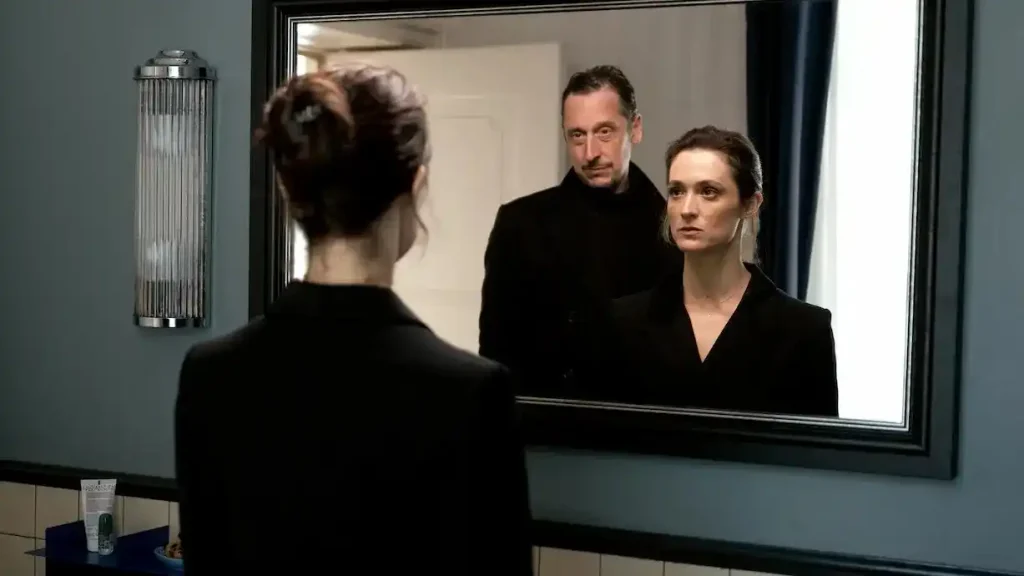
One of the more unsettling things about The Trap is the way it treats memory. Lisa doesn’t simply seem to have lost a few details about her sister’s murder. Over the years, she may have shaped her memories into a version of the past she can live with. Anna becomes the beloved sister who was taken from her, while any complicated feelings or conflicts between them are pushed out of view.
That doesn’t prove Lisa killed Anna, of course. The series never gives us enough to say that for certain. But it does suggest that Lisa’s memories might be incomplete, and that there could be feelings she has spent years refusing to acknowledge. If she did have some responsibility for what happened, accepting it would mean questioning the story she has told herself about the worst night of her life.
Her house takes on a different meaning when you look at it this way. For ten years, it has been her refuge from a world she can barely face. But it may also be a place where she can keep the outside world, and any evidence that challenges her memories, at a distance. Her fixation on Robert gives her someone to blame, someone she can direct all her anger toward without having to look too closely at herself.
There’s another layer to this because Lisa is a writer. She makes a living by turning events into stories, deciding what matters, and giving characters motives and histories. The novel she writes to lure Robert starts out as a way to get justice for Anna. By the end, though, it looks like the story Lisa has written for herself may be just as important. She has a version of the past that allows her to see herself as the innocent sister who survived a terrible loss. If that version falls apart, she could lose a great deal more than her understanding of one night.
That makes her smile in the final moments particularly hard to read. Perhaps Lisa feels relieved that she has finally confronted the man she believes killed Anna. Or perhaps she has decided not to question the remaining doubts, even when the evidence gives her a reason to do so. The show doesn’t give us a confession or a definitive answer. Instead, it leaves us wondering whether Lisa has found peace or simply chosen the explanation she can bear to live with.
Why Robert Takes His Own Life
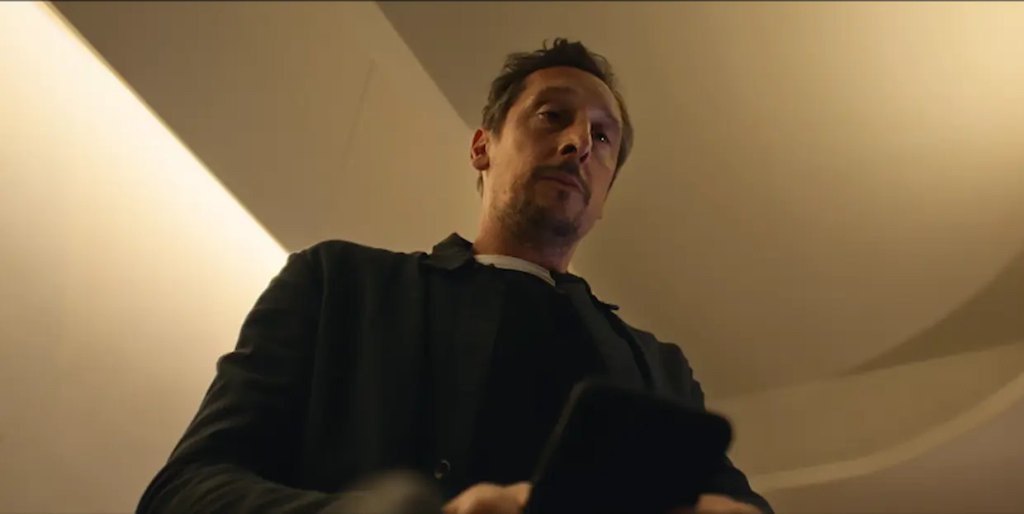
Even if Lisa may have inflicted the final two wounds, Robert is still deeply responsible for what happened to Anna. Their relationship was complicated by his refusal to commit to her, largely because he was unwilling to leave his wife. The series also suggests that he may have misrepresented his family situation to push Anna away. Whatever was going on between them, the confrontation turned violent, and Robert attacked her before fleeing the scene.
His actions years later make it clear that he hasn’t simply been trying to escape a painful memory. He lies to Lisa, forges evidence, and attempts to undermine her confidence in what she remembers. He even gives her substances to affect her perception, making her question whether she can trust her own mind. Robert wants to control the story as much as he wants to avoid being held accountable.
There’s an ugly irony here. If he left after stabbing Anna six times, he may not even know who caused the remaining injuries. He could have spent a decade believing he was responsible for all eight wounds, even as he continued to deny his involvement. Or he may have known more than he let on. The series doesn’t settle that question, but his constant attempts to manipulate Lisa show just how far he is willing to go to protect himself.
During the final confrontation, Rudow arrives and the police are called. Robert realizes that his lies may finally catch up with him, and he takes his own life. It’s difficult to know exactly what pushes him over the edge. Fear of facing the consequences of Anna’s murder is one possibility; the pressure of having his carefully controlled version of events fall apart is another. His guilt may also have become harder to ignore now that Lisa has returned to his life.
Whatever his final thoughts might have been, his death means Lisa loses the one person who could potentially have answered some of her remaining questions. Robert can no longer explain what happened after he fled Anna’s apartment, and there will be no final interrogation that clears up the mystery. Lisa may have confronted the man she blamed for Anna’s death, but that doesn’t mean she has learned the whole truth.
What Happens to Lisa’s Book and to Rudow?
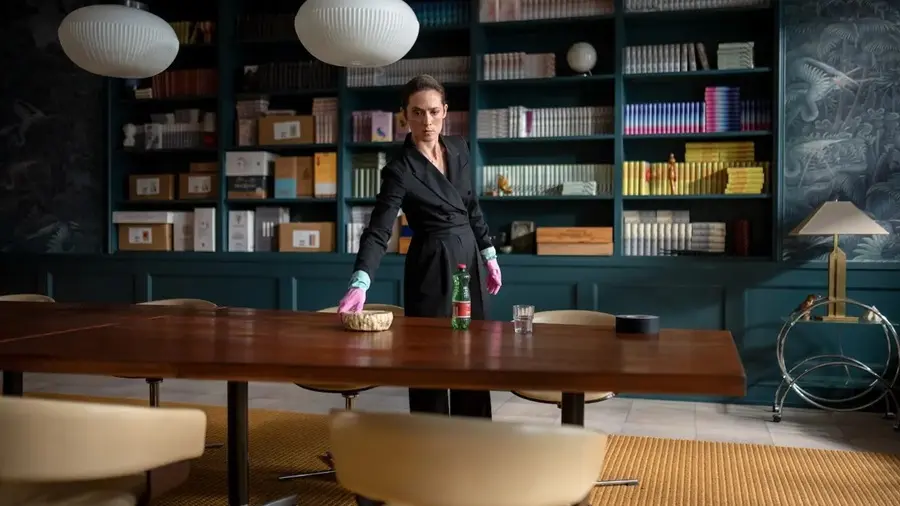
Lisa’s novel was supposed to be bait. By turning Anna’s murder into a story, she hoped to make Robert recognize the events and eventually admit what he had done. But after his death, the book takes on a rather different purpose. It becomes a way for Lisa to put her version of the past in front of other people, possibly without ever having to face the parts that don’t fit.
If she publishes the story as it stands, readers will encounter the version of events she has chosen to tell. Anna remains the sister who was murdered, Robert remains the man responsible, and Lisa is the woman who spent ten years trying to get justice. Yet the question of those two extra stab wounds remains. A story can be convincing without explaining every detail, and Lisa knows better than most how to shape a narrative.
That doesn’t mean her book is necessarily a deliberate attempt to deceive everyone. Writing can help someone make sense of trauma, but it can also become a way to avoid the things they don’t want to remember. Lisa may simply be unable to let go of the account that has sustained her for a decade. The disturbing part is that she might be turning her own uncertainty into a story that looks much more settled than it really is.
Rudow is caught up in this in his own way. He knew Anna before her death and, along with a therapist, had tried to help keep Lisa’s mental state under control. He also suspected that Lisa might have been involved in the murder. But suspicion is one thing, and being willing to follow it wherever it leads is another.
There’s also the unresolved detail of Rudow leaving the crime scene before the police could collect a DNA sample. That looks suspicious, but the series doesn’t provide enough evidence to establish that he was involved in Anna’s murder. His actions could just as easily reflect a fear of getting pulled into an investigation he didn’t want any part of. It’s an unanswered thread, rather than proof of another hidden culprit.
His role as Lisa’s publisher makes the situation even more uncomfortable. He has doubts about the story she is telling, yet he is also the person helping her put it into the world. He may not be guilty of a crime, but he still becomes part of a process in which a potentially incomplete version of the truth could be accepted as the final word.
So, Who Really Killed Anna?

The Trap gives us reason to believe Robert attacked Anna, but it leaves open the possibility that Lisa inflicted the final two stab wounds. That’s the key detail that changes how we look at the entire series. It doesn’t prove Lisa was responsible for her sister’s death, and the finale never gives us enough evidence to call her the killer with certainty. Instead, it asks whether she might have played a part in what happened and then spent years protecting herself from the memory.
Robert’s death closes one chapter of the mystery, but it doesn’t solve everything. Lisa gets to confront the man she has blamed for a decade, yet the answers she needs may have died with him. And if she suspects that the truth is more complicated than the story she has told herself, she now has to decide whether she really wants to know.
That’s what makes the ending so unsettling. Lisa may have spent ten years trying to trap Robert, only to find herself caught in a story of her own making. The series never confirms that she killed Anna, but it leaves us with a more uncomfortable possibility: that the person Lisa most needs to question is herself.
About the Author