 James Oconner
 Anil Krishna
 Jonathan Millar
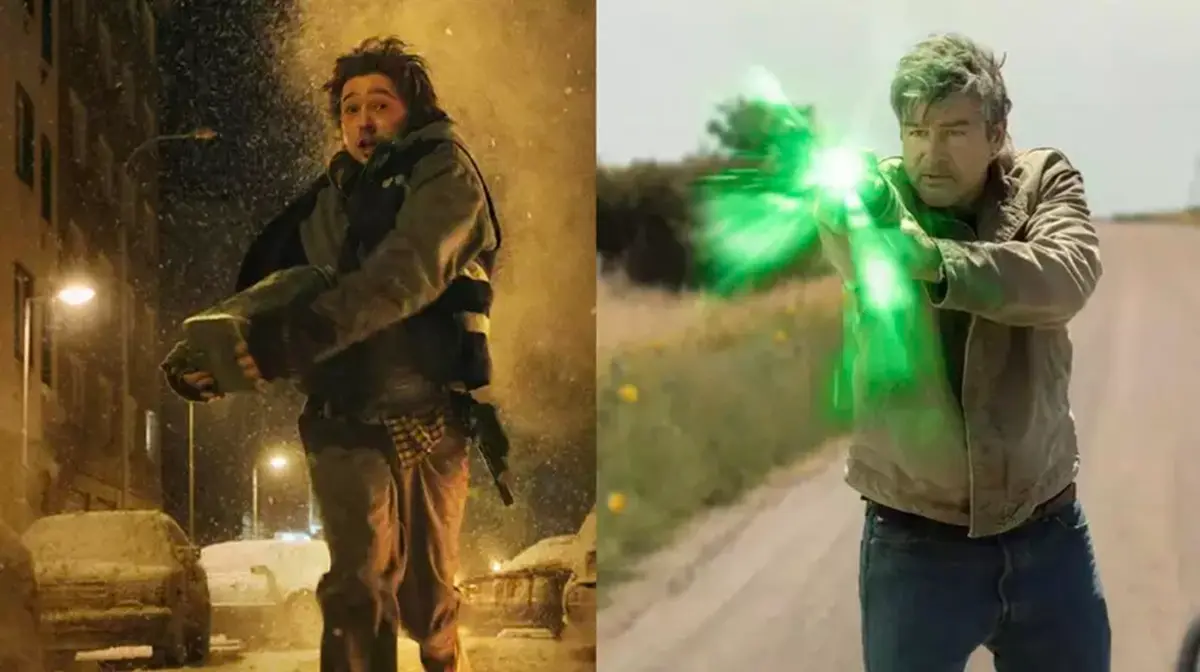
There’s a funny thing that happens whenever a new movie, TV show, or video game adaptation is announced. Before anyone has actually seen it, the internet has usually already decided whether it’s going to be good or terrible. Sometimes that reaction makes sense. Fans have watched Hollywood misunderstand or completely mess up things they’ve loved for years, so being cautious isn’t exactly unreasonable. But that caution can turn into something else pretty quickly, especially when a new adaptation changes even one thing that fans were expecting to stay the same.
The recent conversations around HBO’s Lanterns and Zach Cregger’s upcoming Resident Evil movie are good examples of this. Both projects are taking familiar properties in somewhat different directions, and that alone has been enough to make some corners of fandom nervous. It’s almost as if changing something automatically means disrespecting the original, even when the people making it are clearly trying to do something new with the material.
The Fear of the Unknown: Lanterns and Resident Evil
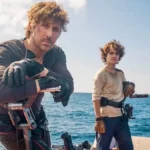
Take Lanterns, the HBO series from Damon Lindelof, Chris Mundy, and Tom King. The show is using the Green Lantern mythology for a more grounded detective story set in rural America, with Hal Jordan and John Stewart at the center. There are still the Green Lanterns, the space-cop mythology, and all the usual ideas around fear, responsibility, choice and power, but the presentation is different from what some fans might have expected.
And that difference has become a point of criticism. Some of the discussion around the show has focused on changes to familiar elements and the writers bringing their own experiences and identities into the story. But that part of storytelling really shouldn’t be surprising. Writers have always pulled from their own lives when creating characters and stories. A comic-book adaptation doesn’t suddenly have to become a museum piece where nobody is allowed to put their own ideas into it.
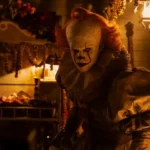
Something similar happened with the reaction to Zach Cregger’s Resident Evil movie. Instead of simply bringing back characters like Leon S. Kennedy or Jill Valentine and building another story around them, the film reportedly focuses on an ordinary civilian caught up in a T-virus outbreak in Raccoon City. For a franchise that already has a very recognizable collection of characters, that’s obviously a noticeable change.
But we’ve seen this sort of reaction before. Resident Evil 7 introduced Ethan Winters and moved away from some of the familiar faces and locations fans associated with the games. There was plenty of hesitation around that decision at the time, yet the game eventually became one of the most respected entries in the series. That doesn’t mean every new change is automatically going to work, of course. It just means that judging something before we’ve actually experienced it can be a bit premature.
History Has a Way of Repeating Itself
Pop culture is full of examples where fans initially hated a change and then, years later, couldn’t imagine the franchise without it. The Legend of Zelda: The Wind Waker is probably one of the clearest examples. Nintendo revealed a much more cartoonish visual style when many fans were expecting something closer to the realistic look they had seen in earlier footage. The reaction was rough, to put it mildly.
Today, The Wind Waker is widely regarded as one of the great Zelda games. The art style that once seemed like such a huge problem became one of the things that made the game stand out.
Heath Ledger’s casting as the Joker went through a similar period of doubt. A lot of people simply couldn’t picture the actor as Batman’s most famous villain when the casting was announced. Then The Dark Knight came out and, well, the conversation changed pretty quickly.
Social media makes this whole process even messier now. A handful of angry posts can spread incredibly fast, and suddenly it looks like everyone hates a movie or show that nobody has actually seen yet. Sometimes there really is a lot of criticism. Other times, it’s just the loudest part of the fandom getting the most attention.
Fan Service Isn’t a Substitute for a Good Story
This is also where the obsession with fan service comes in. Familiar costumes, Easter eggs, returning characters and little references can be fun. There’s nothing wrong with giving longtime fans something to smile about. The problem starts when those things become more important than the actual story.
An adaptation can have every reference imaginable and still be bad. Resident Evil: Welcome to Raccoon City had plenty of recognizable elements from the games, for example, but simply putting familiar pieces on screen doesn’t automatically make an adaptation work. Netflix’s live-action Cowboy Bebop ran into a different version of the same problem, where recreating recognizable moments wasn’t enough to satisfy viewers who wanted the spirit of the original as well.
That’s the tricky part about fan service. It works best when it’s part of the story rather than the reason the story exists in the first place. A reference might make someone happy for five seconds, but it’s not going to save a weak character or a boring plot.
Sometimes the Spirit Matters More Than the Details
The best adaptations don’t necessarily copy everything. They figure out what people actually loved about the original and then find a way to bring that feeling into a different format or a different time. That can mean changing characters, settings, storylines or even the tone. Sometimes those changes work and sometimes they absolutely don’t. There’s no guarantee either way.
That’s why the conversation around adaptations probably shouldn’t be about whether every page, frame or piece of game lore has been copied exactly. It makes more sense to ask whether the people making the new version understand why the original mattered in the first place.
Fans have shown plenty of times that they can accept big changes when they eventually get the chance to experience them. The initial reaction just isn’t always the final one. Maybe that’s the part worth remembering the next time a familiar franchise takes a turn nobody expected: let the thing actually come out first. Then we can argue about whether it worked.
About the Author