 James Oconner

 Anil Krishna

 Jonathan Millar



© Warner Bros. Pictures
Batman won’t actually appear in Clayface, but that doesn’t mean Gotham City will feel any less like his territory. Director James Watkins has confirmed that the upcoming DC Studios film will feature a dark, decaying version of the city where the Dark Knight’s presence can be felt even when he’s nowhere to be seen. In an interview with SFX Magazine (via GamesRadar), Watkins discussed the look he’s going for in the film, which is scheduled to arrive in theaters in fall 2026. Rather than putting Batman front and center, he wants to build a Gotham that feels so corrupt and unsettling that it’s difficult not to think about the city’s most famous vigilante.
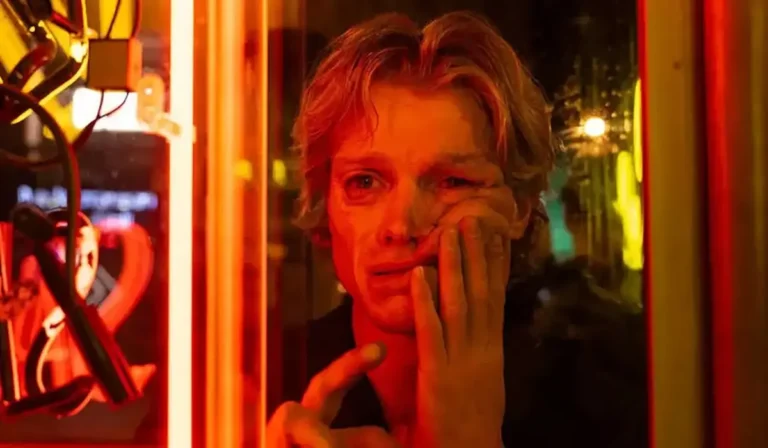
Watkins took inspiration from street photography from the 1980s and ’90s, along with the documentary Everybody Street, which follows photographers capturing the many sides of New York City. Those influences helped him imagine a Gotham filled with bold colors, unusual characters, and streets that have a strange kind of beauty despite all the grime. It’s not meant to be a clean, comic-book version of the city. This Gotham is supposed to feel worn down, crowded, and a little dangerous, with towering buildings that make the place seem even more oppressive. As Watkins sees it, that kind of environment naturally brings “the shadow of the Bat” into the picture.
Clayface Establishes Gotham Before Batman Arrives
Focusing on one of Gotham’s more disturbing villains gives the new DC Universe a chance to explore the city without rushing to introduce Batman himself. Clayface follows Matt Hagen, played by Tom Rhys Harries, an aspiring actor whose life takes a horrifying turn as he transforms into the shape-shifting creature familiar to DC fans. The film is being developed as an R-rated horror story, with body horror, the loss of identity, and the terrifying experience of losing control at its centre. It’s a very different way to explore Gotham, and one that could help the DCU establish its own tone before its version of the Dark Knight takes the spotlight.
Of course, Batman’s absence from the screen doesn’t mean he’s absent from this world. James Gunn has already indicated that superheroes are active throughout the DCU, even when they aren’t directly involved in a particular story. There have also been reports that Clayface takes place before Season 1 of Creature Commandos, the animated series that has already included references to Batman. That gives the film some room to establish Gotham and its wider world without needing to explain everything about the city’s masked crime-fighter just yet.
What Does This Mean for The Brave and the Bold?
The timeline could also matter for The Brave and the Bold, DC Studios’ planned standalone Batman movie. The project is in development, but the DCU’s Batman has not yet been cast, and there are no confirmed connections between Watkins’s Clayface and Andy Muschietti’s Batman film. So, while fans will naturally be looking for clues and familiar references, there’s no guarantee that Clayface will include a Batman cameo. For now, any potential Easter eggs should be treated as speculation rather than confirmation.
That may actually be the smarter approach for the new DCU. Instead of introducing Batman immediately and explaining Gotham through his story, the studio can let audiences see the city from another perspective first. A horror film about a man slowly becoming a monster is a pretty effective way to show just how unsettling this world can be, especially if the city itself feels as damaged as the people living in it.
And that’s where Batman’s off-screen presence becomes interesting. He doesn’t need to appear in every Gotham story for the audience to understand what he represents. The crime, corruption, and general sense of decay are already part of the city’s identity, and they help explain why someone like Batman might eventually feel compelled to fight back. Clayface could give the DCU a chance to make Gotham feel like a living, troubled place before its most famous resident steps into view. By the time Batman finally arrives, the city may already have given audiences plenty of reasons to understand why it needs him.
About the Author