 James Oconner

 Anil Krishna

 Jonathan Millar


© Toho International
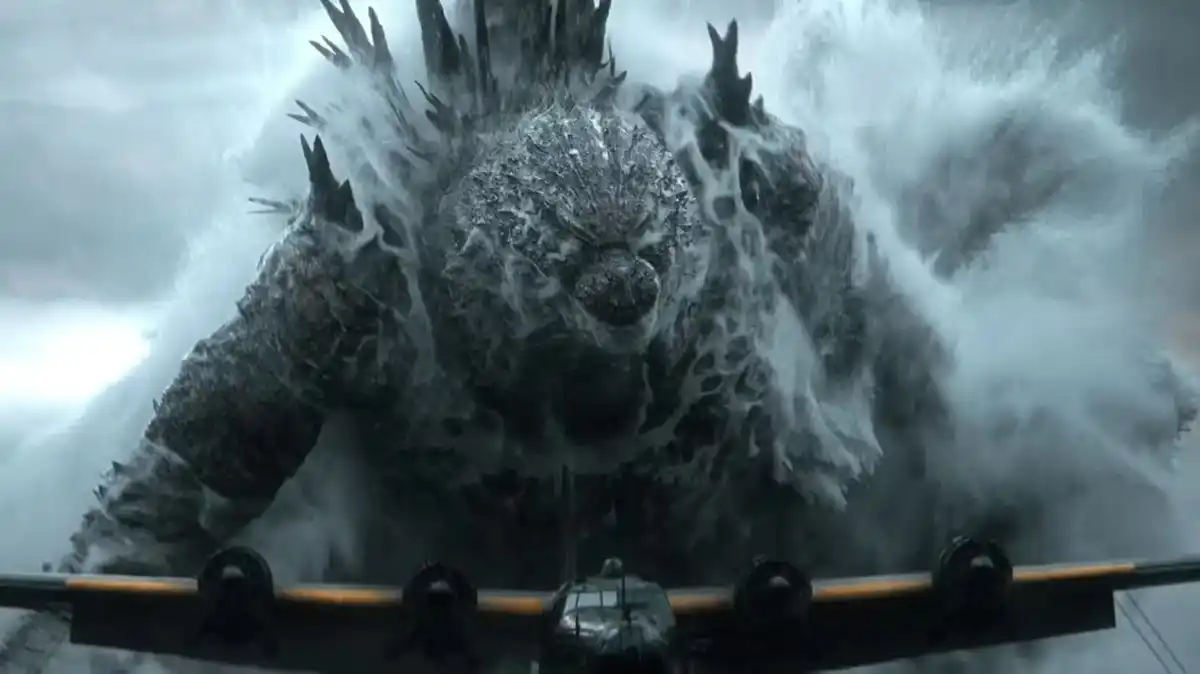
Godzilla is getting another major opponent in Godzilla Minus Zero, and it’s one fans of the franchise will know very well. King Ghidorah, the terrifying three-headed monster and one of Godzilla’s most famous enemies, is making a comeback in the sequel to Godzilla Minus One. Producer Kazuaki Kishida has explained why the team decided to bring the iconic kaiju back, with director Takashi Yamazaki once again leading the film. The idea is to make the monster action bigger this time around without losing the human story that made the previous film stand out.
Speaking to ScreenRant at New York Comic Con 2026, Kishida described Ghidorah as one of Godzilla’s ultimate rivals and explained why the character felt right for the sequel. A big part of this new approach is making the monsters feel genuinely frightening by bringing audiences closer to their size and destructive power. The visual effects and sound design teams, including Tatsuji Nojima, Hisafumi Takeuchi, and Natsuko Inoue, will play an important role in making that happen. After all, these creatures need to feel like more than impressive CGI creations. They need to feel like something humans would have absolutely no idea how to stop.
How King Ghidorah Changes the Sequel
One of the things that made Godzilla Minus One work so well was its decision to focus on a single, seemingly unstoppable monster. Released in 2023, the film brought Godzilla back as a force of destruction, using the devastation of post-war Japan to tell a deeply personal story about Koichi Shikishima and his struggle to move forward after the war. The monster was terrifying, but the people trying to survive him gave the story its emotional weight.
Bringing King Ghidorah into the picture changes that dynamic quite a bit. Godzilla is no longer the only enormous threat humanity has to worry about. With another monster capable of going toe-to-toe with him, the sequel can build toward a much larger confrontation, with people caught in the middle of a fight between two destructive forces. That sounds like a natural way to raise the stakes, though it also creates a challenge for Yamazaki. Bigger monster battles are one thing, but the sequel still needs characters and emotional stakes that audiences can care about once the destruction begins.
Who Is King Ghidorah?
King Ghidorah first appeared in Toho’s Ghidorah, the Three-Headed Monster in 1964 and quickly became one of the franchise’s most recognizable villains. With three heads, enormous wings, and gravity beams that resemble lightning, Ghidorah has always been a formidable match for Godzilla. The character has appeared in several different versions over the decades, but the basic idea remains the same: this is an enemy capable of pushing Godzilla to his limits.
Many international viewers will also remember Ghidorah from Godzilla: King of the Monsters (2019), where the monster posed a threat to both Godzilla and humanity. His return in Godzilla Minus Zero gives Yamazaki a chance to put his own spin on a familiar rivalry. It also raises an obvious question: how will this version of Ghidorah fit into the grounded, often grim world established by Godzilla Minus One? The scale of the threat may be larger, but the film’s success will depend on how convincingly it brings that threat into the lives of its human characters.
Koichi and Noriko Return as Japan Faces Another Crisis
The sequel is set in 1949, two years after the events of Godzilla Minus One. Ryunosuke Kamiki returns as Koichi Shikishima, while Minami Hamabe reprises her role as Noriko Oishi. Japan is still trying to rebuild after the Second World War and the devastation caused by Godzilla, so the arrival of another monstrous threat threatens the fragile sense of normality people have been trying to recover.
That setting gives the sequel more to work with than simply another round of monster destruction. Koichi and Noriko are returning to a world where survival has already come at a terrible cost, and the prospect of facing an even greater danger could put their lives and whatever future they hoped to build at risk. It will be interesting to see how Yamazaki balances that personal side of the story with the inevitable spectacle of Godzilla and Ghidorah going head-to-head.
Yamazaki is once again handling directing, writing, and visual effects supervision. The film is also set to become the first Japanese film production certified under the “Filmed for IMAX” program, which should give its large-scale creature battles an even more immersive presentation. For a movie built around monsters of this size, the big-screen experience is clearly going to be a major part of the appeal.
Can Godzilla Minus Zero Live Up to Its Predecessor?
Godzilla Minus One was a major success, earning more than $116 million worldwide and winning the Academy Award for Best Visual Effects. That Oscar win was a landmark moment for the franchise, and the film earned plenty of praise for managing to make Godzilla frightening again while telling a story that was about far more than a giant monster attacking a city. Naturally, expectations for the sequel are high.
King Ghidorah’s return gives Yamazaki an obvious way to expand the action, but bigger isn’t automatically better. The first film worked because its human story never felt like an excuse to move from one monster attack to the next. The sequel will need to hold on to that balance, especially with two enormous kaiju potentially competing for the audience’s attention.
Godzilla Minus Zero is scheduled to arrive in Japanese theaters on November 3, 2026, followed by its North American release on November 6. Ghidorah’s return should give longtime fans plenty to look forward to, particularly if the film delivers the kind of monster showdown the character is known for. The bigger question is whether Yamazaki can recreate the emotional impact of Godzilla Minus One while taking the franchise into even more destructive territory. That’s what will determine whether this sequel is simply a bigger spectacle or another genuinely memorable Godzilla film.
About the Author