 James Oconner
 Anil Krishna
 Jonathan Millar

Demystifying The Further: How the Spooky Dimension in Insidious Really Works
© Sony Pictures
The Insidious movies have always had something more going on than just creepy houses, jump scares and demons appearing at exactly the wrong moment. At the center of the franchise is The Further, the strange supernatural realm where many of its biggest horrors come from. Created by James Wan and Leigh Whannell, the series gradually establishes that The Further isn’t simply another version of Hell or some generic afterlife. It has its own rules, its own inhabitants and, unfortunately for the Lambert family, plenty of ways for something horrible to follow you back home.
What Exactly Is The Further?
The Further is best understood as a kind of supernatural space that exists alongside the normal world. It isn’t exactly Heaven or Hell, and it isn’t simply where every dead person automatically ends up. Instead, it seems to function more like an in-between realm filled with wandering spirits, trapped consciousnesses and dangerous entities. The place itself is constantly shifting, which is part of what makes it so unsettling. Familiar locations can appear there, but they’re usually distorted versions of the real thing, buried under darkness, fog and whatever psychological baggage the person exploring them happens to be carrying.
And importantly, you don’t have to be dead to enter it. That’s where the Lambert family‘s problems really begin. People with a natural ability for astral projection, including Dalton Lambert and his father Josh, can separate their consciousness from their bodies and travel into The Further while asleep or unconscious. Elise Rainier and her niece Imogen are also connected to this ability. It sounds useful in theory, but the Insidious movies make one thing pretty clear: wandering around The Further is probably one of the worst supernatural hobbies you could possibly pick up.
Why Is The Further So Dangerous?
The biggest problem with astral projection is that your physical body is left behind. While the person’s consciousness is wandering around The Further, their body is effectively an unattended house with the door unlocked. Demons and other entities can take advantage of that, attempting to enter the body and use it as a way back into the living world. That’s why the longer someone stays away, the more dangerous the situation becomes.
There’s another problem too. A living person entering The Further seems to attract attention. The realm is full of spirits and entities, and the deeper someone travels into it, the greater the chance that they’ll run into something that doesn’t particularly want them there. The Further also doesn’t appear to follow normal rules of time. Different periods can overlap, and characters can encounter places or events connected to different points in their own lives. This helps explain why the realm can feel less like a physical location and more like a giant maze built from memories, trauma and supernatural leftovers.
The Further Is Not Just Full of Demons
It’s easy to assume that everything in The Further wants to kill you, especially after watching a few Insidious movies, but that’s not really the case. The realm contains plenty of hostile entities, including the Lipstick-Face Demon and KeyFace, but there are also human spirits who aren’t interested in hurting the living. Some can even help them.
Elise Rainier is probably the best example. Even after her physical death, Elise remains connected to The Further and is able to continue helping people on the other side. Her presence also makes it clear that entering The Further doesn’t automatically mean becoming evil or losing your identity. Some spirits remain themselves, while others become trapped, corrupted or consumed by whatever darkness they encountered.
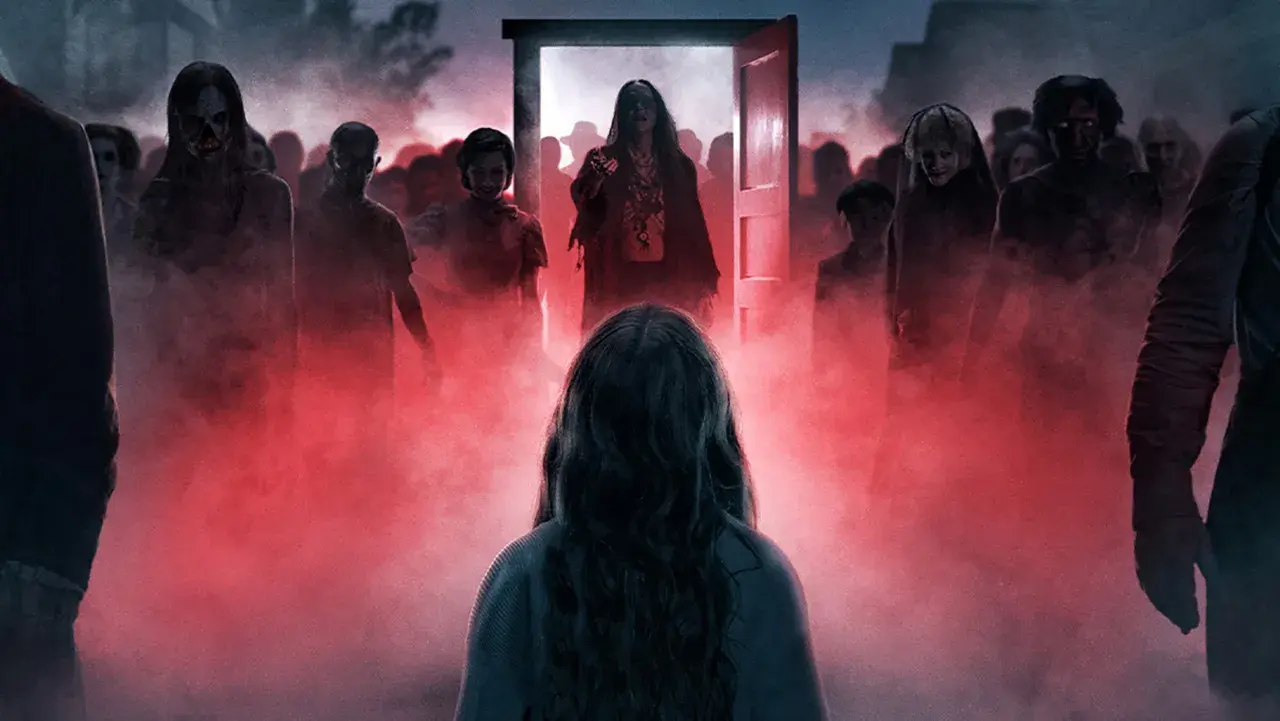
The famous Red Door also tends to get misunderstood. It’s one of the most recognizable images in the franchise, but it isn’t simply a giant universal doorway that every spirit has to pass through. The door is particularly connected to the Lipstick-Face Demon and Dalton’s childhood experiences. In other words, it’s important, but The Further is much bigger than that one creepy red entrance.
The Further Keeps Changing as the Franchise Expands
One of the more interesting things about Insidious is that the rules surrounding The Further have continued to expand. Later entries introduce ideas that make the realm even more dangerous, including the possibility that certain individuals can bring objects or even entities out of The Further and into the physical world.
That changes the basic threat quite a bit. Earlier stories were largely concerned with people getting trapped on the other side or demons finding a way into their bodies. If things can actually be brought back from The Further, the boundary between the two worlds becomes much less reliable. Suddenly, the question isn’t just whether someone can escape The Further. It’s whether something from there can escape with them.
And that’s ultimately what makes The Further work so well within the Insidious movies. It isn’t just a spooky location that exists to give the characters somewhere scary to visit. It has rules, history and consequences, and every time the characters think they’ve figured those rules out, the franchise seems to find another unpleasant exception. The Further is frightening precisely because it sits so close to the ordinary world—close enough that, once the door is opened, getting back to normal isn’t always as simple as closing it again.
About the Author